How to Get Here

By Air

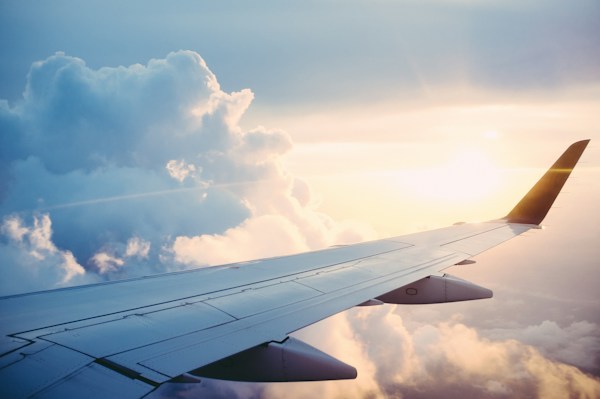
Romania is well-connected to major European and international destinations through its airports. Henri Coandă International Airport (Bucharest Otopeni - OTP) is the country's main gateway, serving over 14 million passengers annually. The airport is located 16 kilometers north of Bucharest and offers connections to over 100 destinations worldwide. Major airlines including Lufthansa, Air France, KLM, Turkish Airlines, and Romania's flag carrier TAROM operate regular flights. Budget airlines like Wizz Air and Ryanair provide affordable connections to numerous European cities.

Other international airports include Cluj-Napoca (CLJ), Romania's second-busiest airport with excellent connections to Western Europe; Timișoara (TSR), serving western Romania; Iași (IAS) in the northeast; Sibiu (SBZ) in Transylvania; and seasonal airports at Constanța (CND) and Târgu Mureș (TGM). Airport transfers are available via express bus (783 from Bucharest Airport), train, taxi (use official companies), or ride-sharing apps. Pre-arranged transfers to hotels cost approximately 60-80 RON to central Bucharest.
Airplane at airport
Train station in Romania

By Train

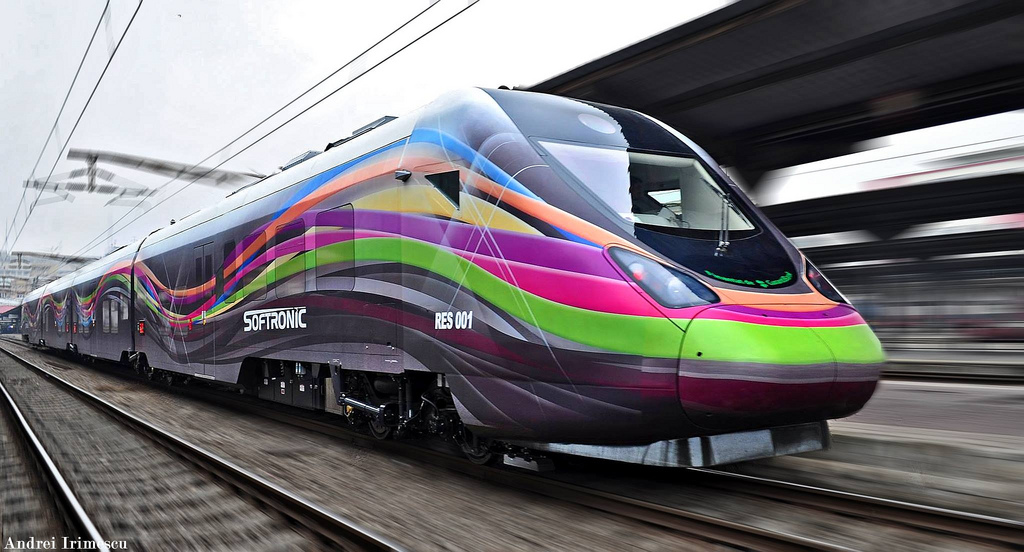
International trains connect Romania with neighboring countries and major European cities. Daily services run from Budapest (10-13 hours), Vienna (15-19 hours), Sofia (11 hours), and Chișinău (14 hours). The scenic route from Budapest to Bucharest passes through Transylvania's mountains and historic cities. Night trains with sleeping cars offer comfortable overnight travel. EuroNight and InterCity trains provide the best comfort levels, while regional trains offer budget options.

Bucharest's main station, Gara de Nord, is the hub for international and domestic services. The station has been modernized but remains chaotic - arrive early and double-check platforms. Other major stations receiving international trains include Timișoara, Arad, Cluj-Napoca, and Iași. Eurail and InterRail passes are valid in Romania. Book international tickets through CFR Călători (Romanian Railways) or international booking sites. First-class compartments offer good value compared to Western European prices.

By Road

Romania's road network connects with all neighboring countries through numerous border crossings. The European route E60 enters from Hungary at Borș, E70 from Serbia at Stamora Moravița, and E85 from Bulgaria at Giurgiu. Modern highways link Bucharest with Constanța (A2) and partially with the Hungarian border (A1). Road conditions vary significantly - highways and major roads are generally good, while secondary roads can be challenging, especially in rural areas.

International bus services operated by FlixBus, Eurolines, and regional companies connect Romania with major European cities. Journeys are long but economical - Vienna to Bucharest takes 14-16 hours. Driving your own vehicle requires a valid driver's license, vehicle registration, and green card insurance. EU licenses are accepted; others need an International Driving Permit. Romania requires a road tax (rovinieta) purchased at border crossings or online. Winter tires are mandatory from November to March when conditions require.
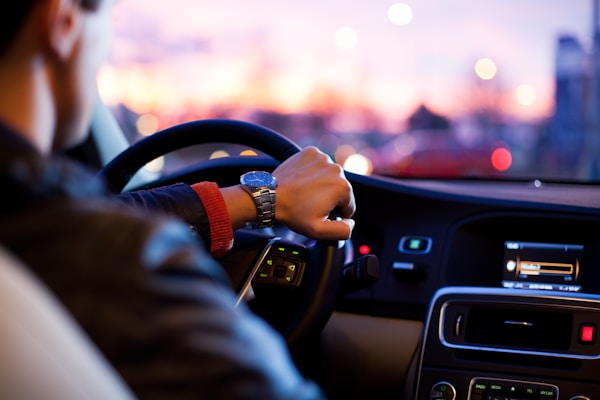
Road trip in Romania

Visa & Entry Requirements

EU Citizens

EU citizens can enter Romania with a valid national ID card or passport. No visa is required for any length of stay. EU citizens have the right to live and work in Romania, though stays over 90 days require registration with local authorities. Brexit has changed rules for UK citizens who now follow non-EU regulations for stays over 90 days.

Schengen Zone

Romania is an EU and Schengen Area member, having joined the Schengen Zone on March 31, 2024, with full membership by both air and land. This means there are no routine border controls when traveling between Romania and other Schengen countries. Schengen visa holders can freely enter Romania under the same rules that apply across the Schengen Zone, allowing stays of up to 90 days within any 180-day period.

Visa-Free Countries

Citizens of the US, Canada, Australia, New Zealand, Japan, South Korea, Israel, and many other countries can enter visa-free for up to 90 days in a 180-day period. Passports must be valid for at least three months beyond the planned departure date. Always check current requirements as policies change.

Visa Requirements

Citizens of countries requiring visas must apply at Romanian consulates before travel. Tourist visas typically allow 90-day stays. Requirements include passport photos, travel insurance, proof of accommodation, and financial means. Processing takes 10-15 working days. Business visas require invitation letters from Romanian companies.

Transportation in Romania

Domestic Trains

Romania's railway network covers 11,000 kilometers, reaching most cities and towns. CFR Călători operates several train types: InterCity (IC) trains are fastest and most comfortable with reserved seating and air conditioning; InterRegio (IR) trains connect major cities with good comfort; Regio (R) trains serve all stations and are slowest but cheapest. Popular routes like Bucharest-Brașov take 2.5-3.5 hours depending on train type. Night trains with sleeping cars connect Bucharest with Cluj, Timișoara, and Iași.

Tickets can be purchased at stations, online at cfrcalatori.ro, or through mobile apps. Advance booking is recommended for InterCity trains and essential for sleeping cars. First-class offers significantly better comfort for modest price differences. Student discounts of 50% apply with valid ID. Train travel offers scenic journeys, especially through the Carpathians, though delays are common. Stations in smaller towns may have limited facilities, so bring snacks and water for longer journeys.

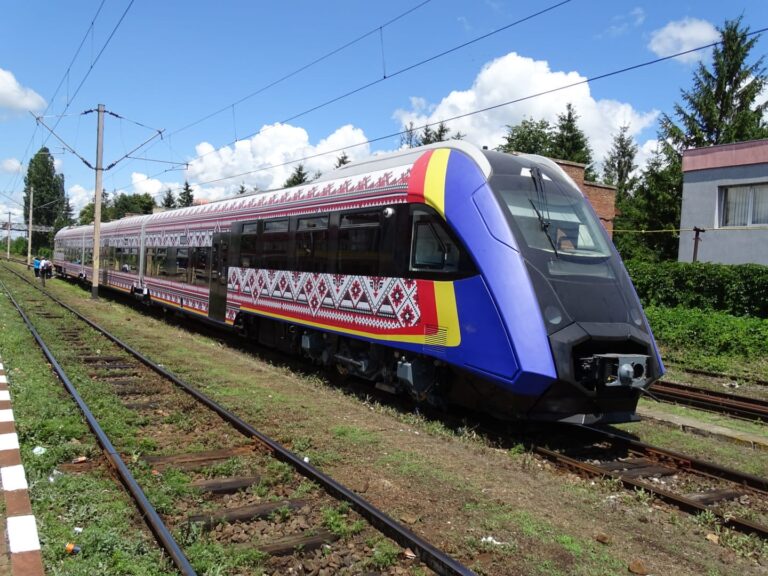
Romanian train
Car rental in Romania

Car Rental & Driving

Renting a car provides maximum flexibility for exploring Romania, especially rural areas and mountain regions poorly served by public transport. International companies (Hertz, Avis, Europcar) and local firms operate from airports and city centers. Rates start from €15-20 per day for economy cars. Book in advance for better rates and availability, especially in summer. Most rentals require credit cards and drivers must be 21+ (25+ for luxury vehicles).

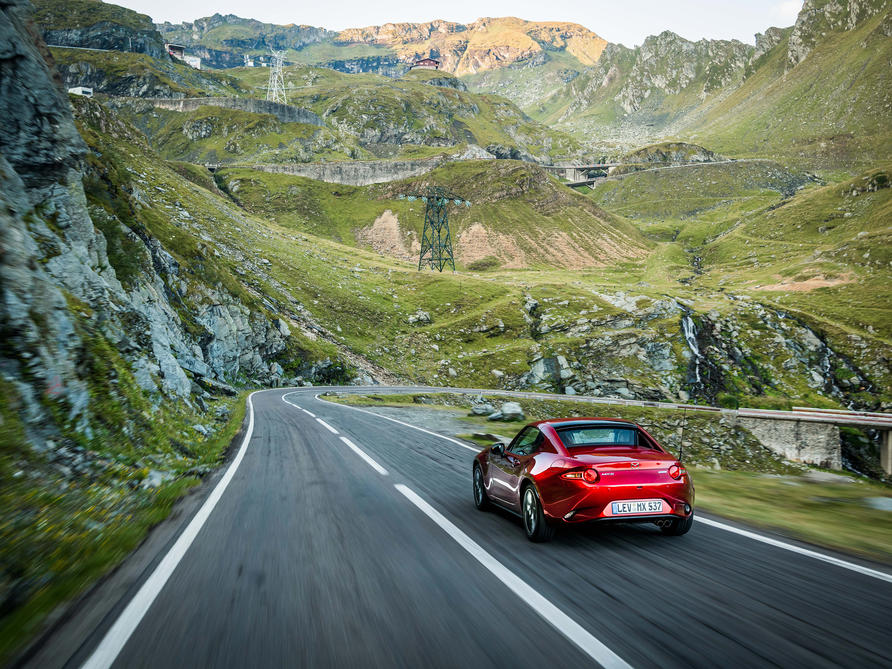
Driving conditions vary dramatically. Highways and main roads are generally good, but rural roads can be narrow, potholed, and poorly marked. Mountain roads like the Transfăgărășan are spectacular but challenging. GPS is essential as road signs may be confusing. Speed limits: 50 km/h in cities, 90 km/h on open roads, 130 km/h on highways. Police conduct regular speed checks with on-the-spot fines. Headlights must be on 24/7 outside cities. Parking in city centers can be difficult - use designated areas to avoid fines or towing.

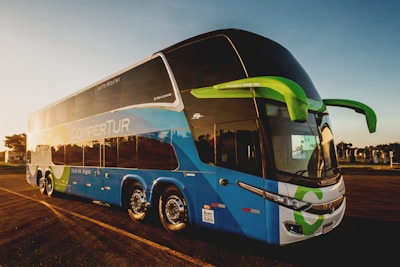
Bus transport

Buses & Minibuses

Buses complement the rail network, reaching destinations trains don't serve. Private companies operate modern coaches on popular routes. Maxi-taxis (minibuses) provide frequent services between cities and towns, departing when full. They're faster than trains but can be cramped. City transport in Bucharest includes extensive bus, tram, trolleybus, and metro networks. Purchase travel cards (Multiplu) for convenience. Uber and Bolt operate in major cities with reliable, affordable service.

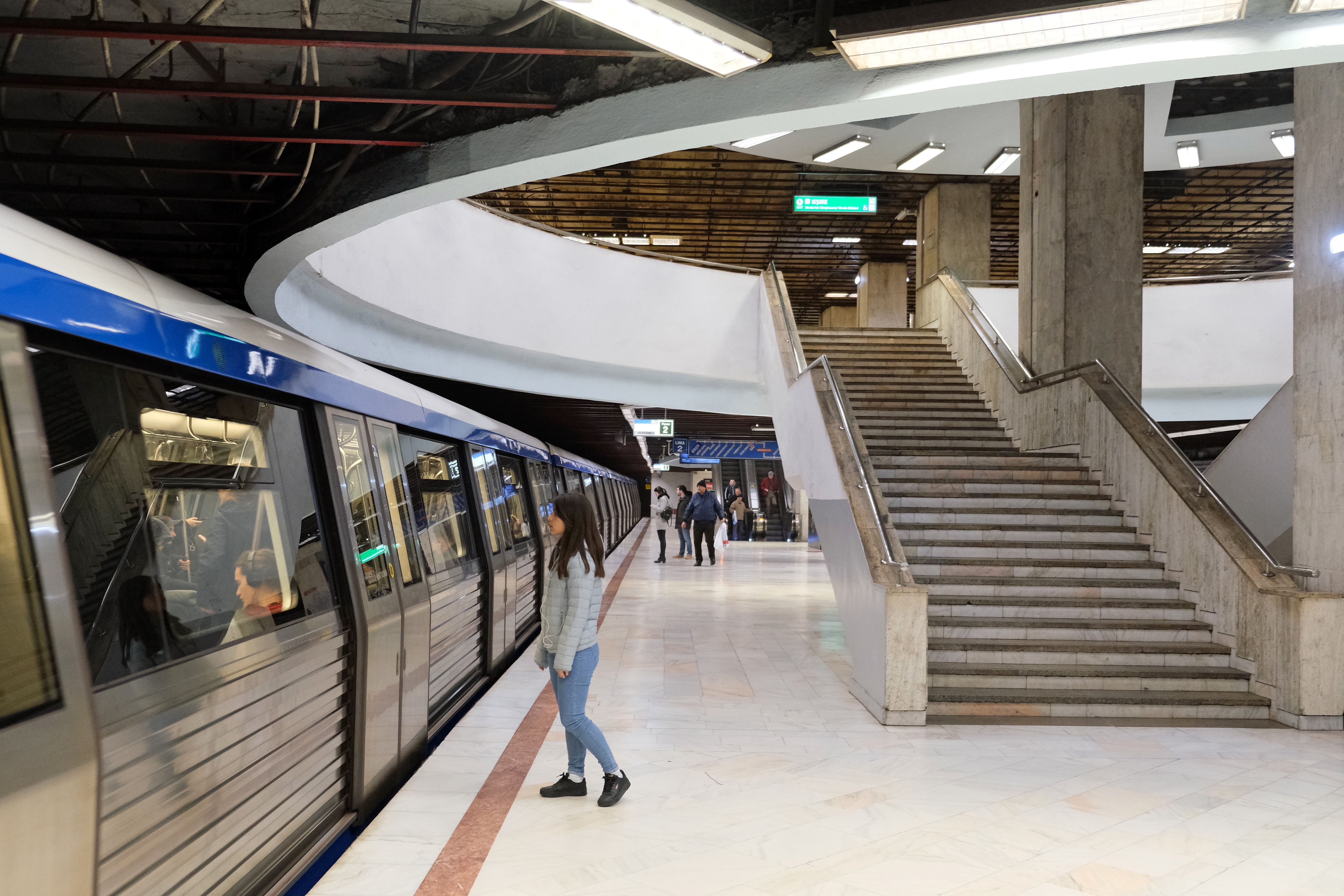
Bucharest metro

Bucharest Metro

The Bucharest Metro is the fastest way to navigate the capital, with four lines covering major areas. Trains run 5:00 AM to 11:00 PM (1:00 AM on Fridays/Saturdays). Single journey tickets cost 3 RON, day passes 8 RON, or weekly passes 25 RON. Stations have clear signage in Romanian and English. The metro connects with Gara de Nord (main train station) and reaches near the airport via M1 line to Pipera, then bus 783. Modern trains are air-conditioned and generally punctual.

Safety & Travel Tips

General Safety

Romania is generally a safe destination with crime rates lower than many Western European countries. Violent crime against tourists is rare, but petty theft occurs in crowded areas. Take normal precautions: watch belongings in tourist areas, train stations, and public transport. Avoid displaying expensive jewelry or electronics. Keep copies of important documents separately. Tourist police operate in major cities and speak foreign languages.

Common sense prevails: avoid unlit areas at night, don't accept drinks from strangers, and use official taxis or ride-sharing apps. Stray dogs, once problematic, are now rare in cities but remain in some rural areas - don't approach or feed them. Romania has excellent mobile coverage - consider getting a local SIM card for emergencies. Emergency number 112 works throughout Romania for police, fire, and medical services.

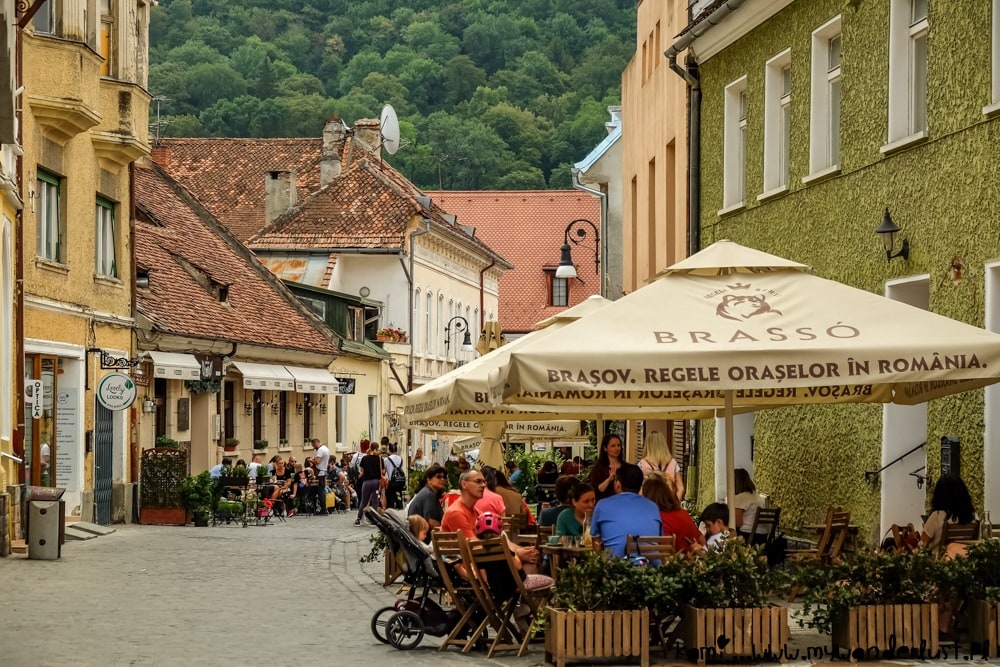
Safe travel in Romania

Currency & Costs

Money Matters

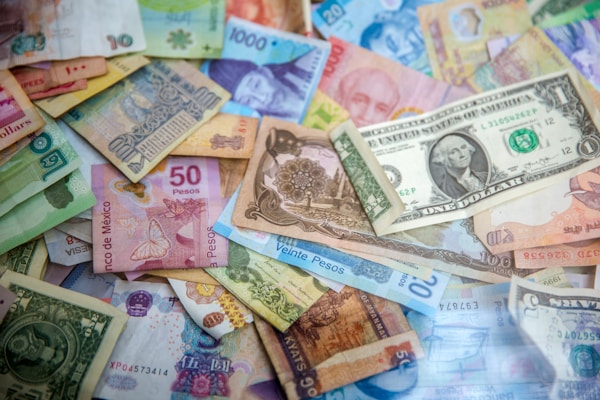
Romania uses the Romanian Leu (RON), plural Lei. Notes come in 1, 5, 10, 50, 100, 200, and 500 lei denominations; coins in 1, 5, 10, and 50 bani (100 bani = 1 leu). The exchange rate fluctuates around 4.9 RON = 1 EUR. Euros are sometimes accepted in hotels and tourist areas but at poor rates. Exchange money at banks or authorized exchange offices (casa de schimb) displaying the BNR (National Bank) logo. Avoid street exchangers and always count money before leaving counters.

ATMs (bancomat) are widespread, accepting international cards. Notify your bank before traveling to avoid card blocks. Most ATMs offer English language options. Credit and debit cards are widely accepted in cities, hotels, and restaurants, less so in rural areas and small establishments. Contactless payments are increasingly common. Keep cash for markets, rural guesthouses, and small purchases. Tipping is customary: 10% in restaurants, round up for taxis, small amounts for hotel staff.

Romanian currency

Budget Daily Costs

Accommodation: Hostel dorm €10-15, Budget hotel €25-40
Meals: Street food €2-4, Restaurant meal €5-10
Transport: City transport €0.50, Intercity train €10-20
Activities: Museum entry €2-5, Castle tour €5-10
Total: €30-50 per day

Mid-Range Daily Costs

Accommodation: 3-star hotel €40-70
Meals: Good restaurants €15-25
Transport: Mix of taxi and public €10-15
Activities: Guided tours €20-40
Total: €80-120 per day

Luxury Daily Costs

Accommodation: 4-5 star hotel €100+
Meals: Fine dining €40+
Transport: Private transfers/rental car €50+
Activities: Private tours €100+
Total: €250+ per day

Money-Saving Tips

• Book accommodation in advance for better rates
• Eat at local restaurants away from tourist areas
• Use public transport and trains instead of taxis
• Visit museums on free days (usually first Sunday)
• Shop at markets for snacks and picnic supplies
• Consider apartment rentals for longer stays

Practical Information

Electricity

Romania uses Type C and F plugs (European standard) with 230V/50Hz electricity. Visitors from the UK, US, and other countries need plug adapters. Universal adapters are sold at airports and electronics stores. Most hotels provide adapters on request. Phone and laptop chargers usually work with multiple voltages, but check before plugging in.

Internet & Phone

Romania has excellent internet infrastructure with widespread WiFi in hotels, restaurants, and cafes. 4G coverage is extensive even in rural areas. Prepaid SIM cards from Orange, Vodafone, or Telekom cost around 25-35 RON with generous data packages. EU roaming rules apply. Internet cafes are rare as WiFi is ubiquitous.

Language

Romanian is the official language, but English is widely spoken in tourist areas and by younger generations. German and French are common second languages. Learning basic phrases like "Mulțumesc" (thank you) and "Bună ziua" (hello) is appreciated. Google Translate works offline if you download the Romanian language pack.

Opening Hours

Shops typically open 9 AM-7 PM weekdays, 9 AM-2 PM Saturdays. Malls and supermarkets stay open until 10 PM daily. Banks open 9 AM-5 PM weekdays only. Museums close Mondays. Restaurants serve lunch 12-3 PM, dinner 6-11 PM. Many establishments close on major holidays including January 1-2, Easter, and December 25-26.

Time Zone

Romania follows Eastern European Time (EET), UTC+2, and observes daylight saving (UTC+3 from late March to late October). Romania is 7 hours ahead of New York, 2 hours ahead of London, and 1 hour ahead of Central European Time. Daylight lasts until 9 PM in summer, but winter days are short with sunset around 4:30 PM.

Toilets

Public toilets exist in train stations, bus terminals, and shopping centers, usually charging 1-2 RON. Carry tissues as toilet paper isn't guaranteed. Restaurants and cafes have facilities for customers. Standards vary widely from modern to basic. "Toaletă" or WC signs indicate toilets. Gas stations along highways have decent facilities.