Music Festivals
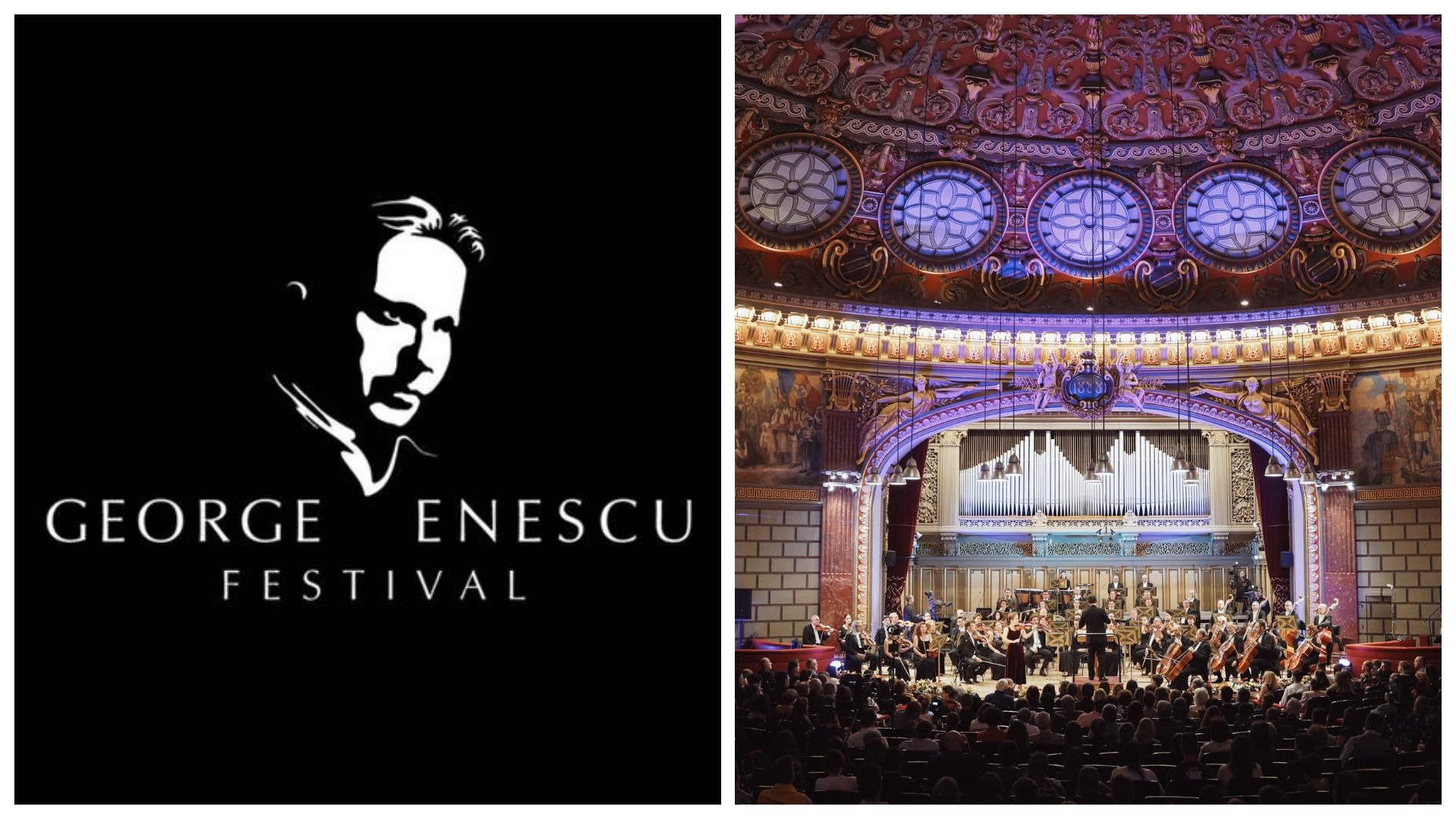
George Enescu Festival
Every two years (odd years), Bucharest hosts one of Europe's most prestigious classical music festivals. Named after Romania's greatest composer, the George Enescu Festival brings together world-renowned orchestras, conductors, and soloists for three weeks in September. Performances take place at the Romanian Athenaeum, the Palace Hall, and other venues across Bucharest. The 2025 edition promises performances by the Vienna Philharmonic, London Symphony Orchestra, and legendary soloists. Beyond the main concerts, the festival includes chamber music, contemporary compositions, and educational programs.
The festival's history dates back to 1958, created to honor George Enescu's legacy as composer, violinist, and conductor. His Romanian Rhapsodies remain among the most beloved pieces of Romanian classical music. The festival has evolved into a cultural phenomenon, with over 150,000 attendees and performances extending to other Romanian cities. Early booking is essential as tickets for major performances sell out months in advance. The festival atmosphere transforms Bucharest into a classical music capital, with street performances and related cultural events.
Modern Music Festivals
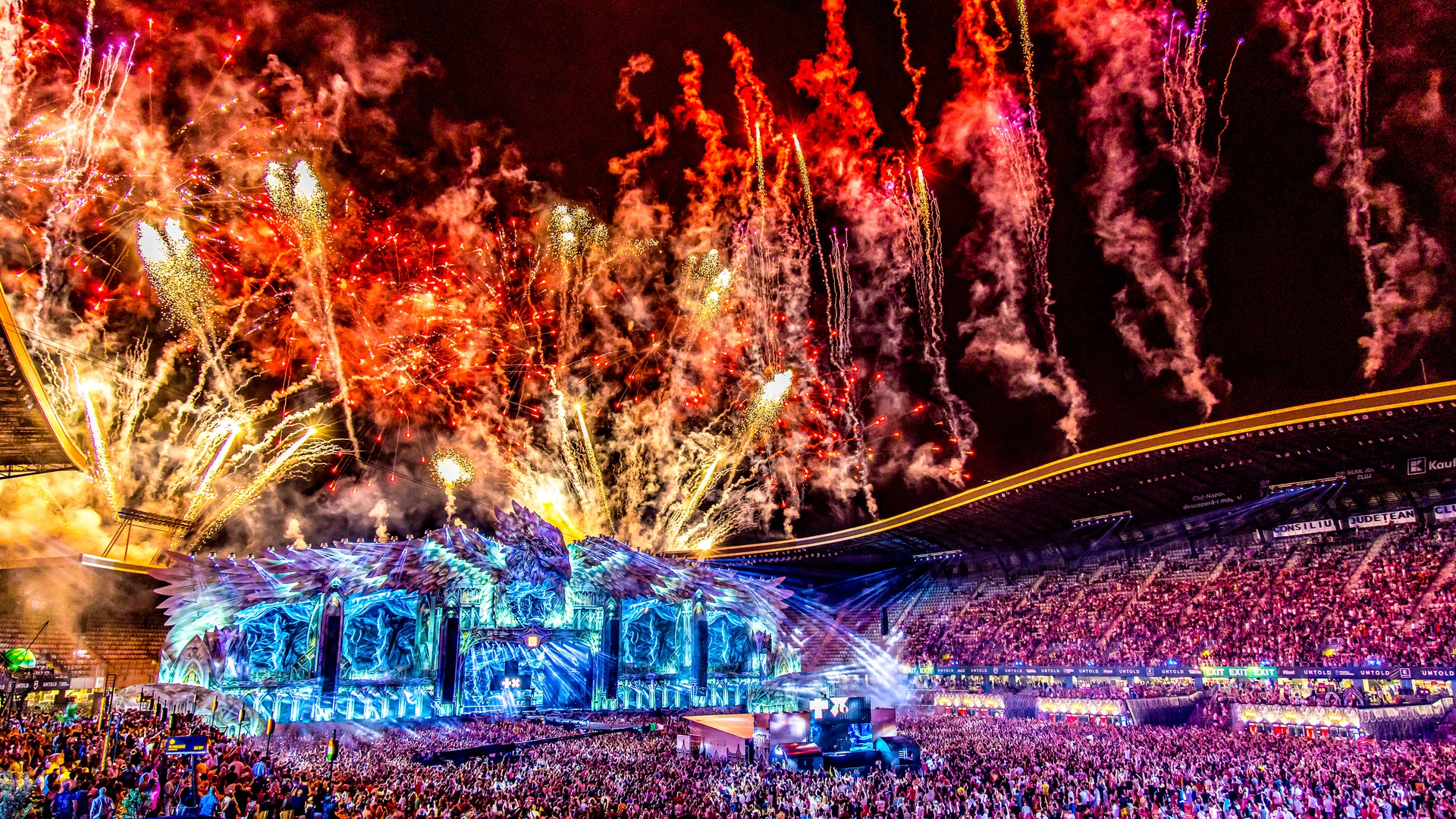
Untold Festival - Cluj-Napoca hosts Romania's largest electronic music festival every August. With over 350,000 attendees, Untold features world-class DJs like David Guetta, Martin Garrix, and Armin van Buuren across multiple stages. The main stage productions rival Tomorrowland, while smaller stages showcase techno, drum and bass, and local artists. The festival includes art installations, food courts, and a dedicated camping area.
Electric Castle - This unique festival near Cluj combines electronic music with alternative rock in the stunning setting of Bánffy Castle. The July event features acts like Thirty Seconds to Mars, Florence + The Machine, and Massive Attack. The castle grounds transform into a surreal playground with art installations, hidden stages, and interactive experiences. The festival's eclectic lineup and magical atmosphere have earned it recognition as one of Europe's most innovative festivals.
Summer Well - Bucharest's premier alternative music festival takes place in August at Știrbey Domain. Past headliners include The National, alt-J, and Phoenix. The festival maintains an intimate atmosphere with a single stage and carefully curated lineup focusing on indie, alternative, and electronic acts.