Explore the diverse regions and cities that make Romania a unique travel destination
Transylvania, the heart of Romania, is a land where myth and reality intertwine. This historic region, surrounded by the arc of the Carpathian Mountains, offers visitors a journey through time. Medieval Saxon cities, fortified churches, and legendary castles dot a landscape of rolling hills and pristine forests. Beyond the Dracula legend that has made it famous worldwide, Transylvania is a treasure trove of architectural wonders, cultural diversity, and natural beauty.
The region's complex history is reflected in its multicultural heritage. For centuries, Romanians, Hungarians, Germans (Saxons), and Roma have lived side by side, each contributing to Transylvania's unique character. This diversity is visible in the architecture, cuisine, and traditions that vary from village to village. The Saxon fortified churches, recognized as UNESCO World Heritage sites, stand as monuments to medieval ingenuity and community cooperation.
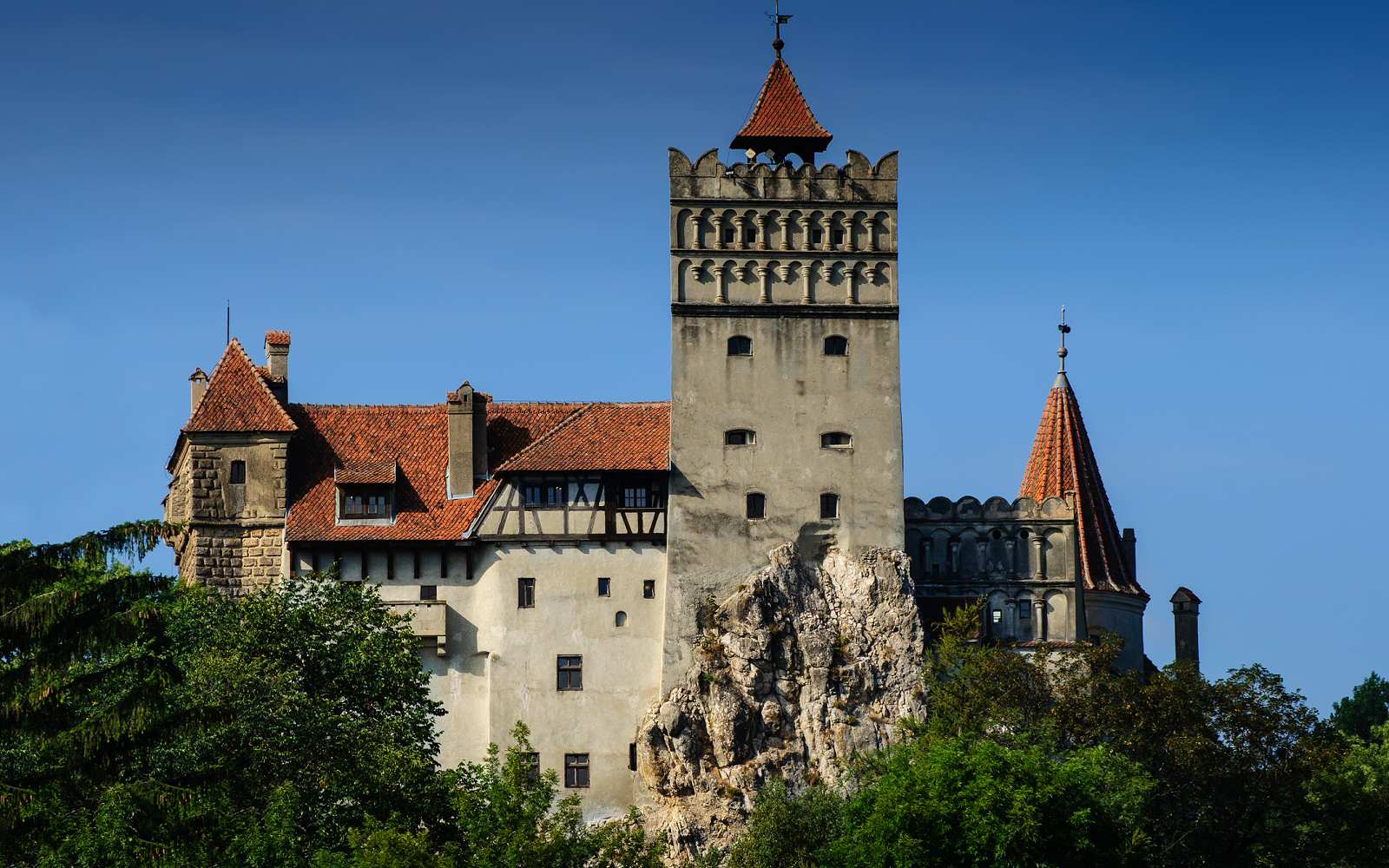
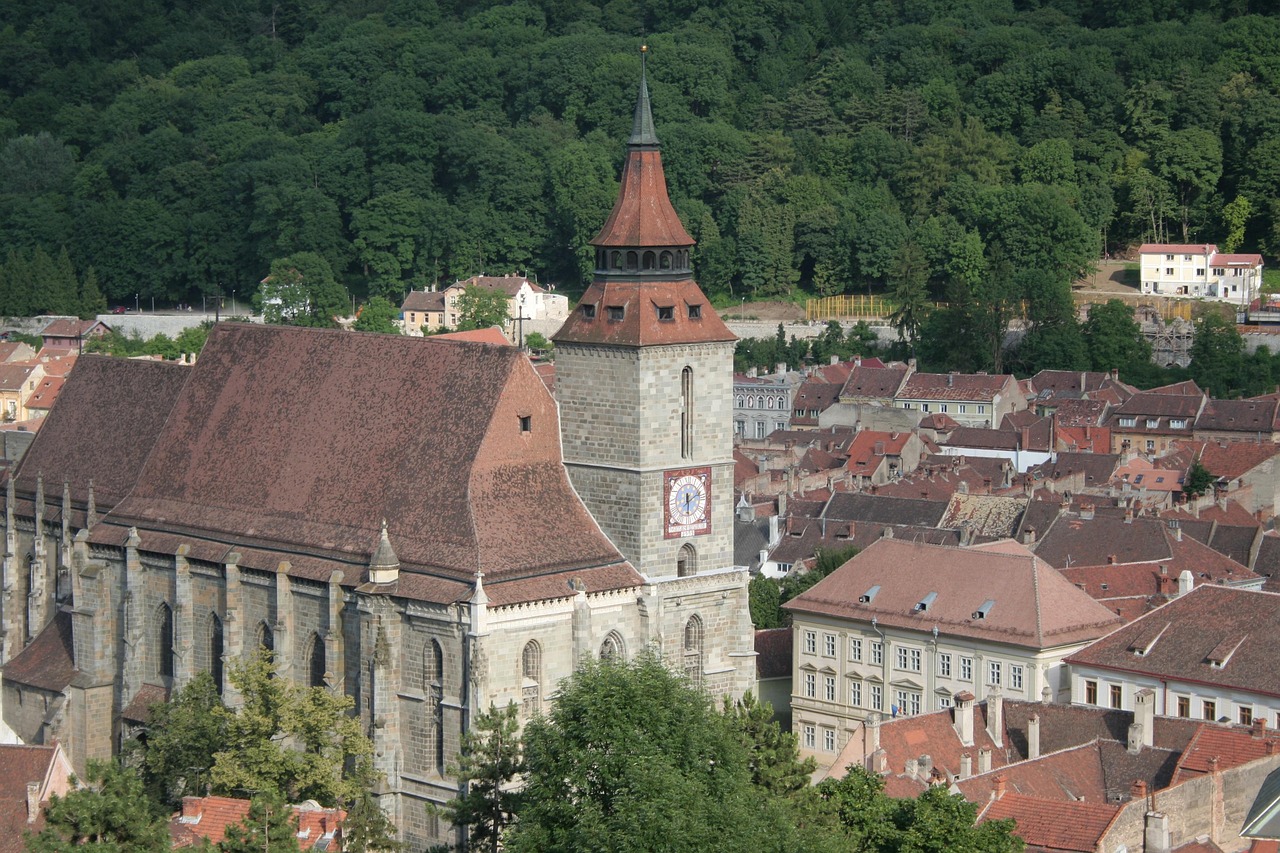
Nestled at the foot of Mount Tâmpa, Brașov is Transylvania's most visited city. Its perfectly preserved medieval old town features the Black Church, the largest Gothic church in Romania, and Council Square (Piața Sfatului), lined with colorful baroque buildings. The city serves as an ideal base for exploring nearby Bran Castle and Peleș Castle. The narrow streets of the old town hide centuries of history, from the medieval Rope Street (one of Europe's narrowest) to the remnants of the old city walls and towers.
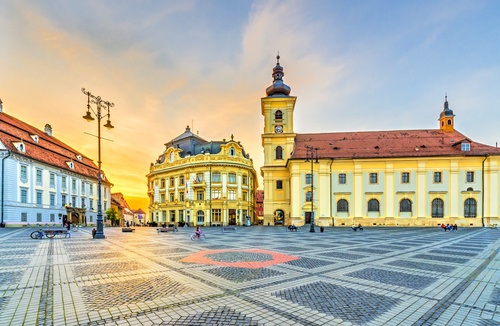
Former European Capital of Culture, Sibiu enchants visitors with its Germanic architecture and vibrant cultural scene. The city's distinctive eyes-of-the-house rooftops seem to watch over the three interconnected main squares. The Brukenthal Museum, one of Europe's oldest, houses an impressive art collection. Sibiu's Christmas Market transforms the city into a winter wonderland, while summer brings international theater and jazz festivals. The nearby open-air ASTRA Museum showcases traditional Romanian village life across 96 hectares.
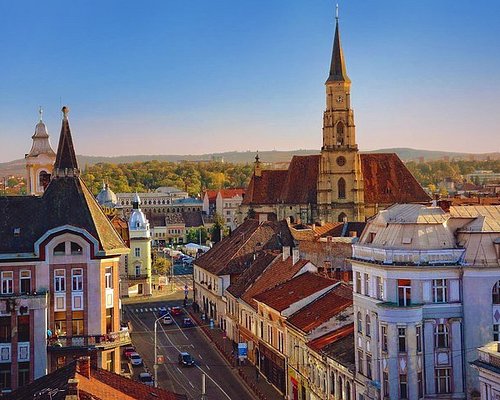
Romania's unofficial capital of Transylvania and its second-largest city, Cluj-Napoca is a vibrant university town with a thriving tech industry earning it the nickname "Silicon Valley of Transylvania." The city blends medieval, baroque, and modern architecture, centered around Union Square (Piața Unirii) with its impressive St. Michael's Church. As home to the country's largest university, Cluj has a youthful energy reflected in its cafes, galleries, and nightlife. The city hosts major festivals including Electric Castle and Untold.
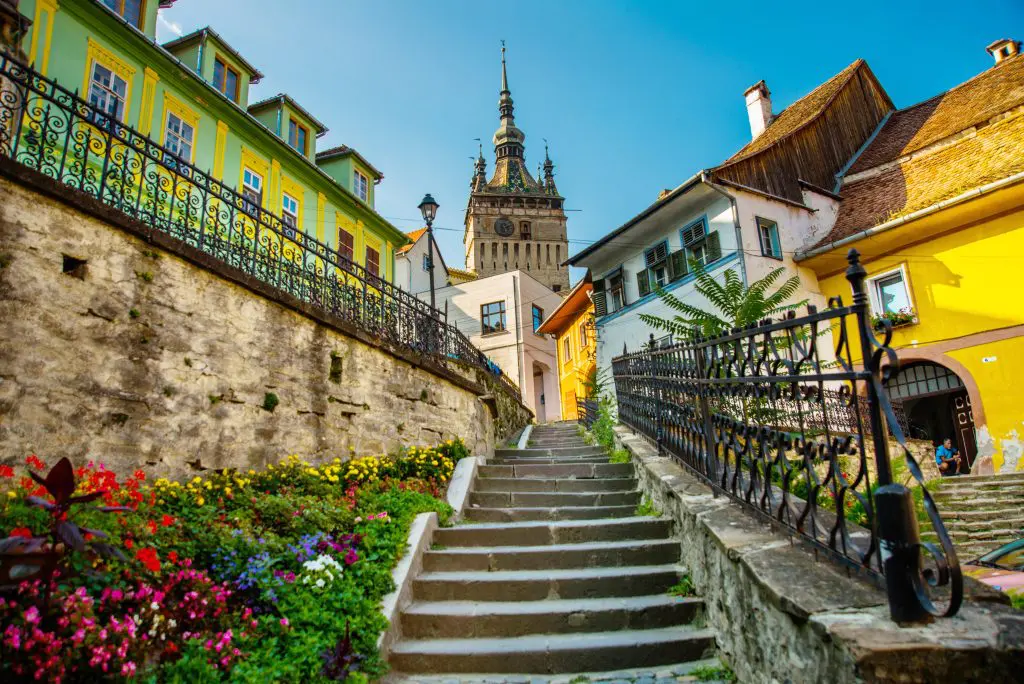
Sighișoara - The best-preserved medieval town in Europe and birthplace of Vlad the Impaler. This UNESCO World Heritage site seems frozen in time, with its iconic Clock Tower, colorful houses, and covered wooden staircase leading to the Church on the Hill. Every July, the Medieval Festival brings knights, craftsmen, and minstrels to its cobblestone streets.
Alba Iulia - Home to the spectacular star-shaped Alba Carolina Citadel, this city played a crucial role in Romanian history as the site of the 1918 Great Union. The citadel, built in the 18th century, is one of Europe's most impressive Vauban-style fortifications. Inside, visitors find Roman ruins, medieval churches, and the impressive Orthodox and Catholic cathedrals.
Viscri - Prince Charles's favorite Romanian village, Viscri offers authentic rural experiences. Its white fortified church, dating from the 12th century, dominates the skyline. The village maintains traditional Saxon architecture and way of life, with guesthouses offering home-cooked meals and insight into rural Transylvanian culture.
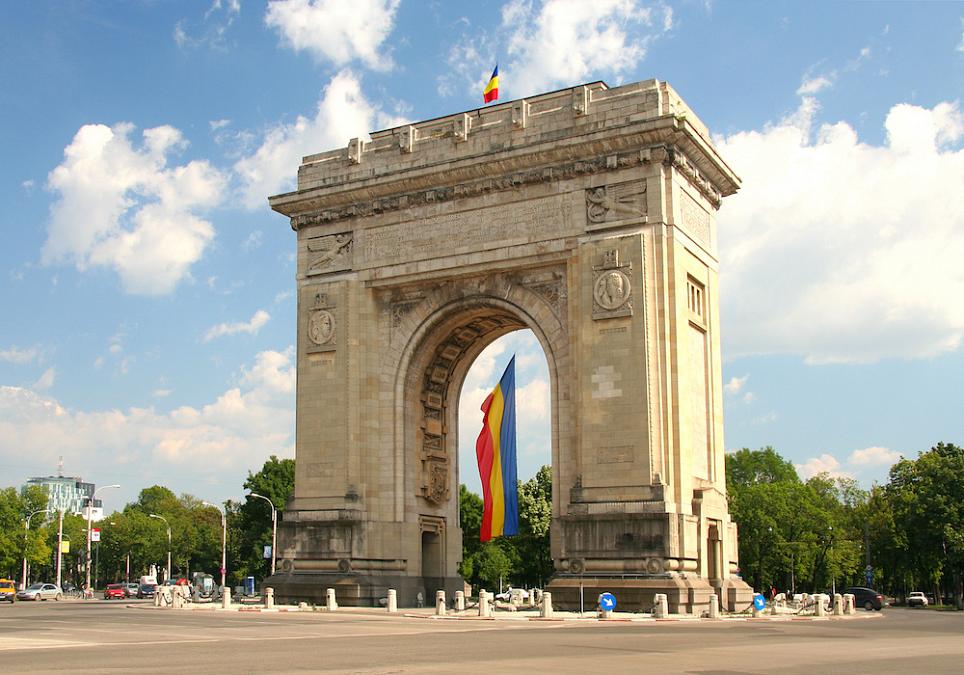
Bucharest, Romania's vibrant capital, is a city of striking contrasts where Belle Époque villas stand beside communist-era apartment blocks and gleaming modern office buildings. Once known as "Little Paris" for its elegant architecture and sophisticated culture, Bucharest underwent dramatic transformation during the communist period, particularly under Nicolae Ceaușescu's systematization program. Today, it's a dynamic European capital that embraces both its complex history and its ambitious future.
The city's energy is palpable in its bustling streets, trendy neighborhoods, and thriving cultural scene. Bucharest offers world-class museums, theaters, and concert halls, alongside hidden gardens, art nouveau treasures, and vibrant nightlife that rivals any European capital. The juxtaposition of architectural styles tells the story of Romania's tumultuous 20th century, from the elegant Athenaeum to the colossal Palace of Parliament.
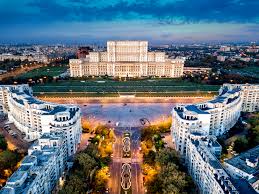
The world's second-largest administrative building after the Pentagon, this colossal structure is Bucharest's most controversial landmark. Built during the 1980s at enormous human and financial cost, it houses Romania's Parliament and three museums. Tours reveal opulent interiors with crystal chandeliers, marble staircases, and vast halls. The building uses 70% Romanian materials and showcases the country's craftsmanship, despite its dark history. The panoramic terrace offers stunning city views.
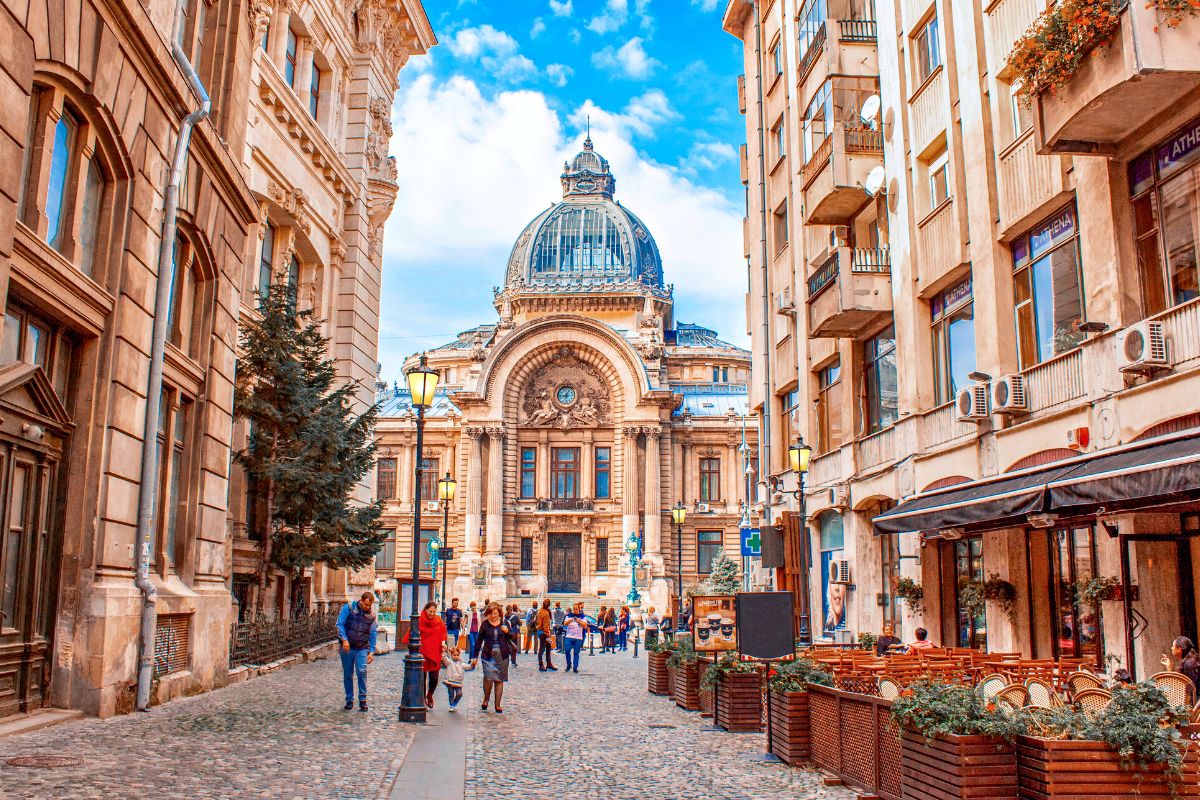
The historic heart of Bucharest has been transformed into the city's entertainment district. Medieval streets now host trendy restaurants, bars, and clubs in restored 19th-century buildings. Key sights include the ruins of Vlad the Impaler's 15th-century palace, Stavropoleos Church with its beautiful carved wooden doors, and Caru' cu Bere, a stunning Gothic Revival beer hall. By day, explore bookshops and galleries; by night, experience Bucharest's legendary nightlife.
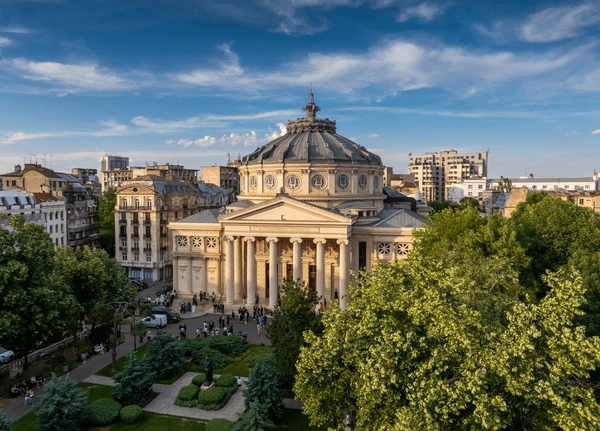
The Romanian Athenaeum, with its magnificent dome and classical columns, is Bucharest's most beautiful building and home to the George Enescu Philharmonic. The Village Museum displays traditional Romanian architecture from all regions in an open-air setting. The National Museum of Art, housed in the former Royal Palace, contains medieval and modern Romanian art plus an impressive European collection including Rembrandt, El Greco, and Monet.
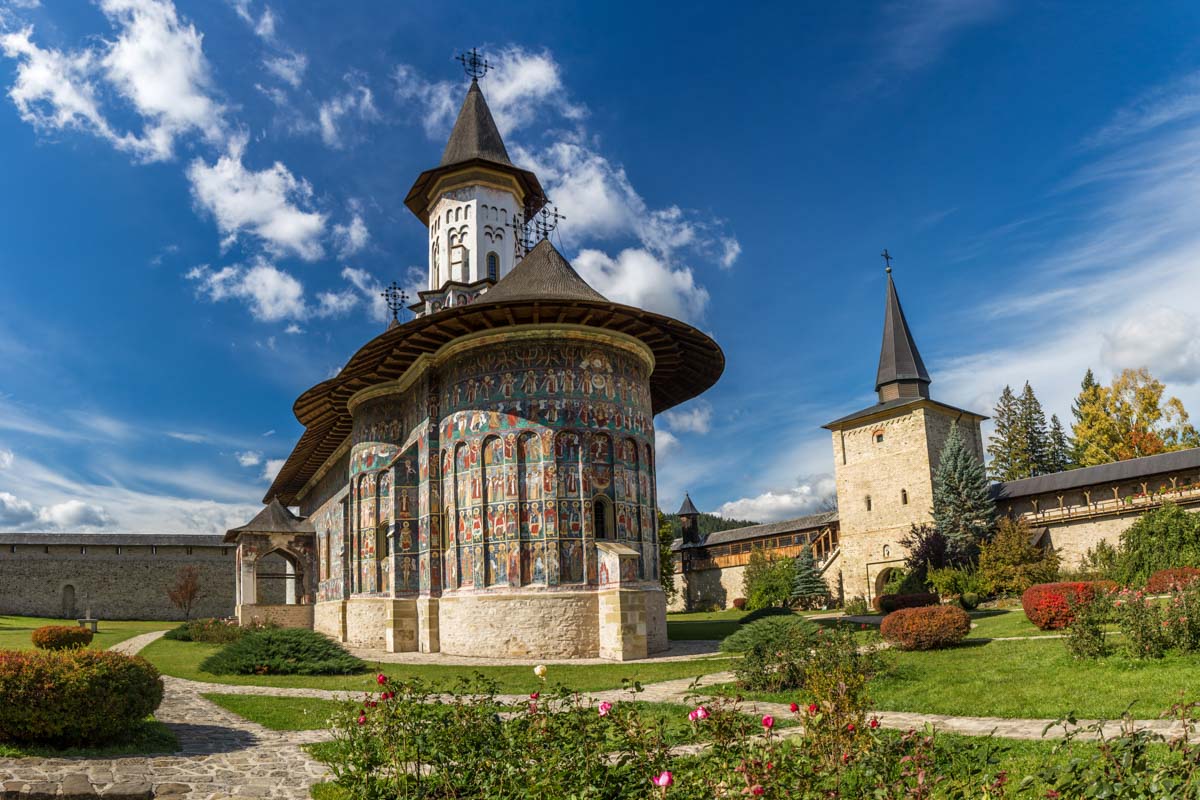
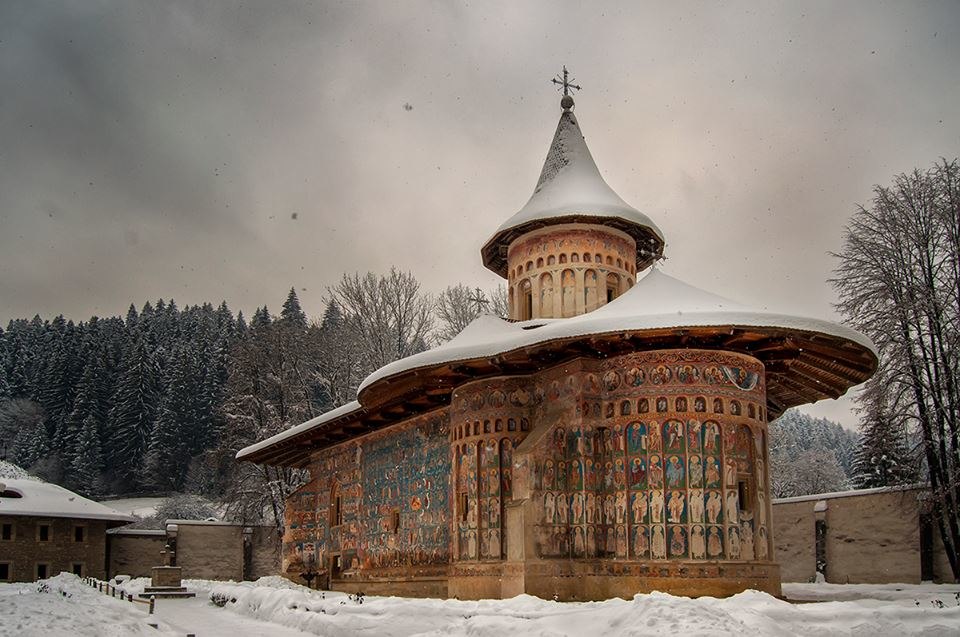
Northeastern Romania's Moldova and Bucovina regions offer a spiritual and cultural journey unlike anywhere else in Europe. Bucovina is famous for its painted monasteries, masterpieces of Byzantine art where biblical scenes cover exterior walls in vivid blues, greens, and reds that have survived five centuries of weather. These UNESCO World Heritage sites represent a unique artistic achievement, combining Byzantine, Gothic, and local folk elements into a distinctly Romanian style.
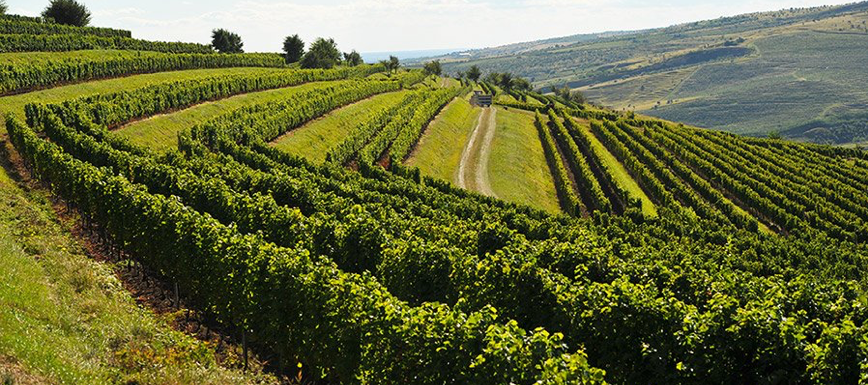
Moldova, not to be confused with the neighboring Republic of Moldova, is Romania's historic wine region. Rolling hills covered with vineyards produce excellent wines that are gaining international recognition. The region's capital, Iași, was Romania's cultural capital during the 19th century and remains an important university city with impressive architecture and vibrant cultural life. Rural areas preserve authentic traditions, with villages that seem untouched by time.
Known as the "Sistine Chapel of the East," Voroneț features an extraordinary Last Judgment fresco covering its western wall. The unique shade of blue used in the frescoes, known as "Voroneț blue," has puzzled art historians for centuries. Built in 1488 by Stephen the Great in just three months and three weeks, the monastery combines architectural simplicity with artistic grandeur. The frescoes, created in 1547, remain remarkably vivid despite being exposed to the elements.
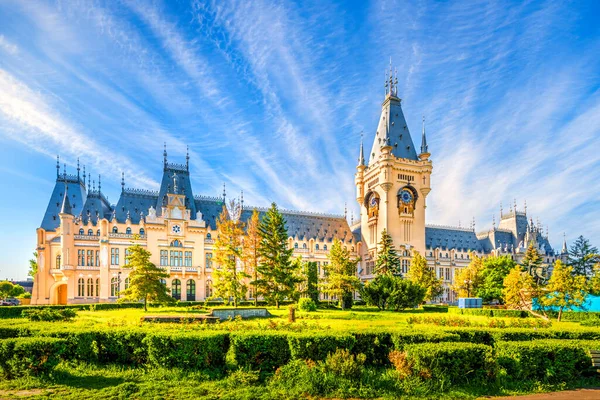
Former capital of Moldova principality, Iași is Romania's cultural and academic heart. The city boasts the country's oldest university, stunning Orthodox churches including the Three Hierarchs Monastery with its intricate stone lacework, and the neo-Gothic Palace of Culture housing four museums. The National Theater, where Romania's national poet Mihai Eminescu worked, continues to be a cultural beacon. The city's numerous parks and its bohemian atmosphere attract students from across the country.
Moldova's wine tradition dates back 2,000 years. The Cotnari vineyard, documented since 1448, produces the famous Grasă de Cotnari, a sweet wine once served at European royal courts. The region's volcanic soil and continental climate create ideal conditions for both traditional Romanian varieties and international grapes. Wine roads wind through picturesque countryside, connecting family wineries where visitors can taste wines in centuries-old cellars carved into hillsides.
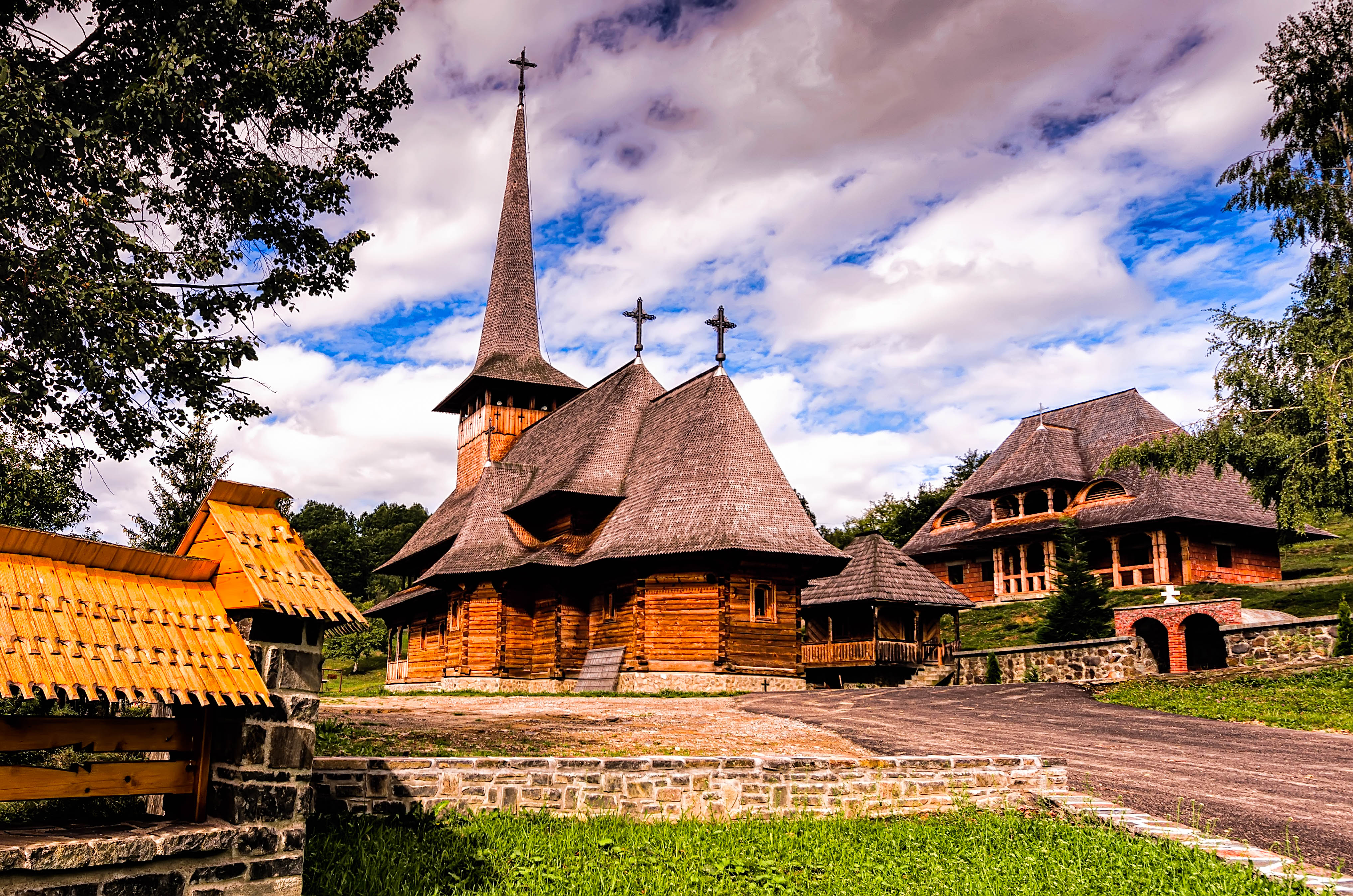
Maramureș, in Romania's far north, is perhaps Europe's best-preserved corner of traditional rural life. This isolated region, surrounded by mountains and forests, has maintained customs, crafts, and a way of life that has disappeared elsewhere. The famous wooden churches, eight of which are UNESCO World Heritage sites, feature towering spires and intricate carvings that represent the pinnacle of wooden architecture. Built without nails using ancient techniques, these churches combine functionality with artistic excellence.
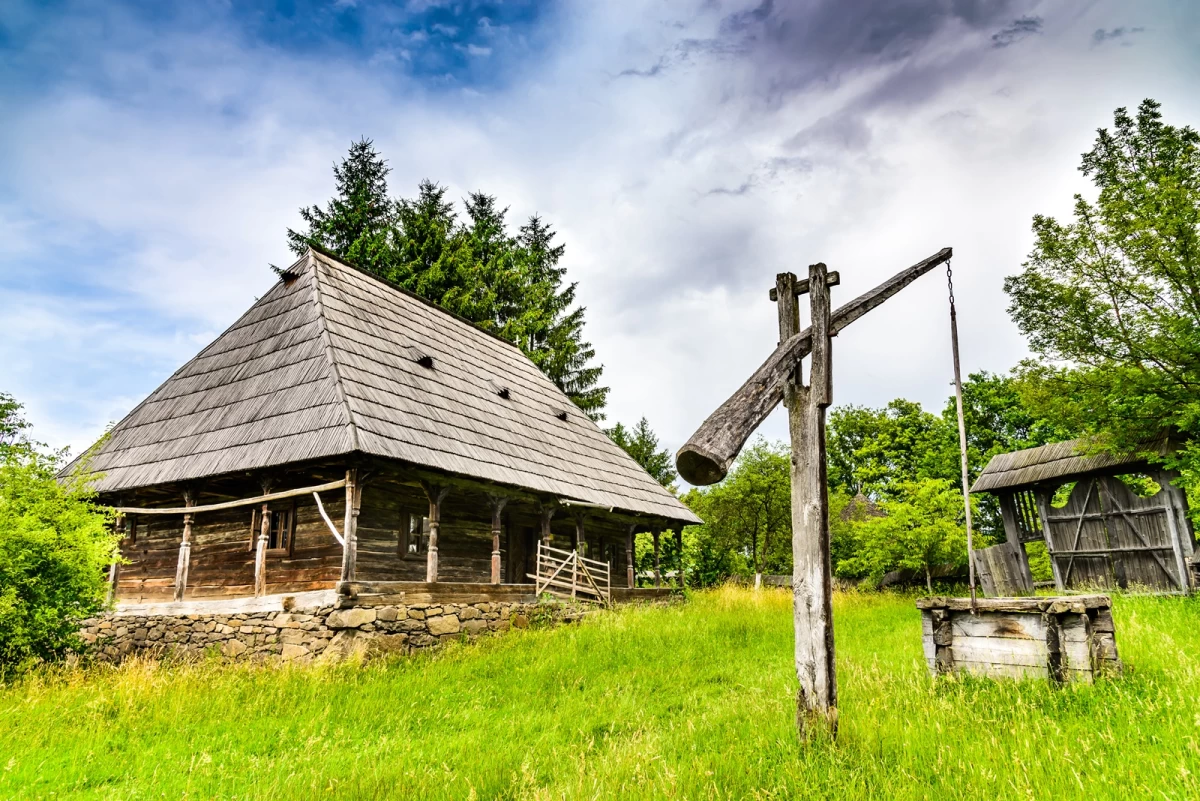
Villages in Maramureș are living museums where people still wear traditional dress on Sundays, practice ancient crafts, and maintain strong community bonds. The ornate wooden gates, unique to this region, display the carver's skill and the owner's status. Horse-drawn carts remain common transportation, and agricultural practices follow centuries-old patterns. The Merry Cemetery of Săpânța, with its colorful crosses depicting the deceased's life stories with humor and honesty, reflects the region's unique perspective on life and death.
Breb - This village has become a model for sustainable tourism while preserving its authentic character. Traditional houses have been carefully restored as guesthouses, offering visitors the chance to experience rural life. The village maintains its agricultural traditions, with haymaking in summer providing picturesque scenes of a vanishing way of life.
Sighetu Marmației - The regional capital combines traditional culture with darker history. The Memorial of the Victims of Communism, housed in a former political prison, is one of Europe's most important museums dedicated to communist crimes. The town's central square and surrounding streets preserve beautiful examples of regional architecture.
Vaser Valley - A narrow-gauge steam railway, the Mocănița, winds through pristine forests along the Vaser River. This forestry railway, still used for logging, offers one of Europe's last authentic steam train experiences through spectacular mountain scenery. The journey provides access to remote areas where brown bears, wolves, and lynx still roam.
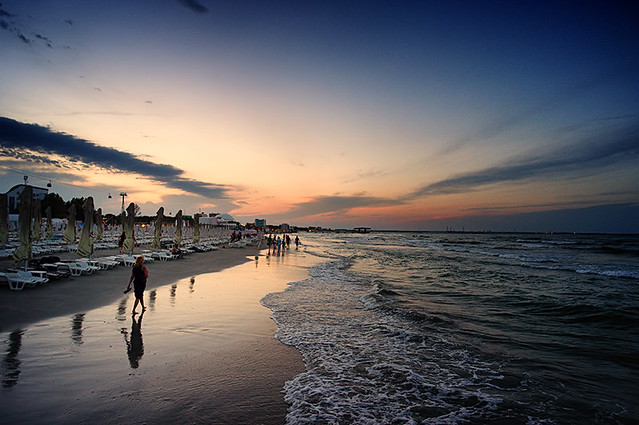
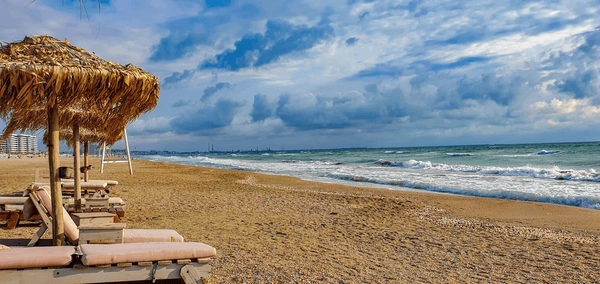
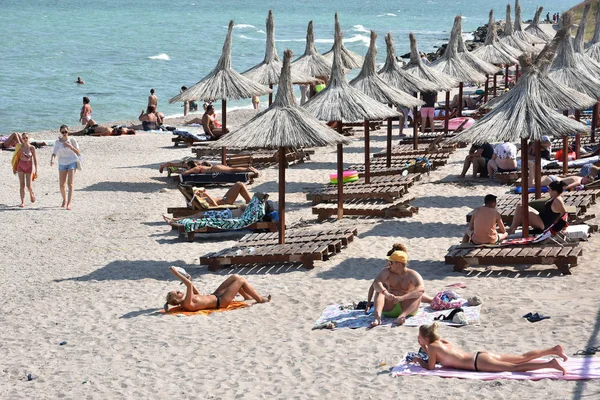
Romania's 245-kilometer Black Sea coastline offers everything from vibrant resort towns to ancient ruins and protected natural areas. The coast has been a vacation destination since the late 19th century when Romania's royal family established summer residences here. Today, it attracts millions of visitors with its sandy beaches, therapeutic mud treatments, and summer festivals. The season runs from May to September, with July and August being the busiest months.
Beyond the beaches, the coast offers remarkable historical sites. Ancient Greek colonies, Roman ruins, and Art Nouveau architecture tell the story of this strategic coastline. The Dobrogea region's unique steppe landscape and multicultural heritage, including Turkish and Tatar minorities, add cultural depth to any coastal visit. The contrast between modern resorts and traditional fishing villages provides diverse experiences for every type of traveler.
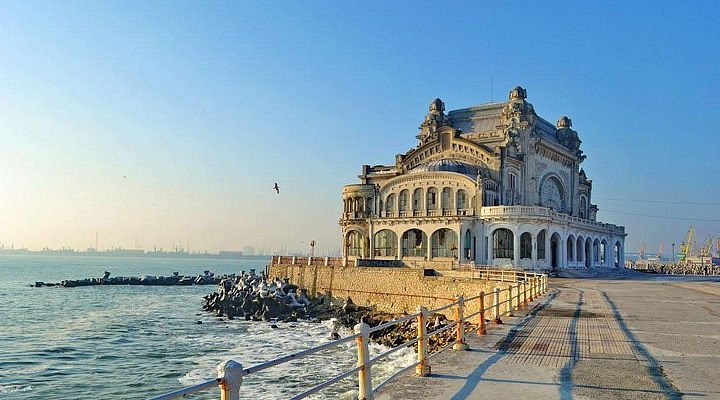
Romania's oldest continuously inhabited city and largest seaport, Constanța was founded by Greeks in the 6th century BC as Tomis. The city where the Roman poet Ovid spent his exile preserves impressive ruins including a vast Roman mosaic complex. The Art Nouveau Casino, though currently under restoration, remains the coast's most photographed building. The old town features the Great Mahmudiye Mosque with its 140-step minaret offering panoramic views, and numerous museums including the excellent History and Archaeology Museum.
Romania's most popular and developed seaside resort stretches for 8 kilometers along a narrow strip between the Black Sea and Siutghiol Lake. Known for its fine sand beaches and vibrant nightlife, Mamaia attracts young crowds to its beach clubs and music festivals. The resort offers water sports, a cable car system providing aerial views, and Aqua Magic, one of Europe's largest water parks. Despite heavy development, northern Mamaia preserves quieter areas perfect for families.
Eforie Nord, Romania's first modern seaside resort (1894), is famous for its therapeutic mud from Techirghiol Lake. Costinești remains the youth capital with its summer festivals and budget accommodations. Vama Veche, near the Bulgarian border, maintains its bohemian atmosphere as a haven for artists and free spirits. Venus, Saturn, and Neptune offer family-friendly beaches and socialist-era architecture that's becoming increasingly appreciated as retro-cool.
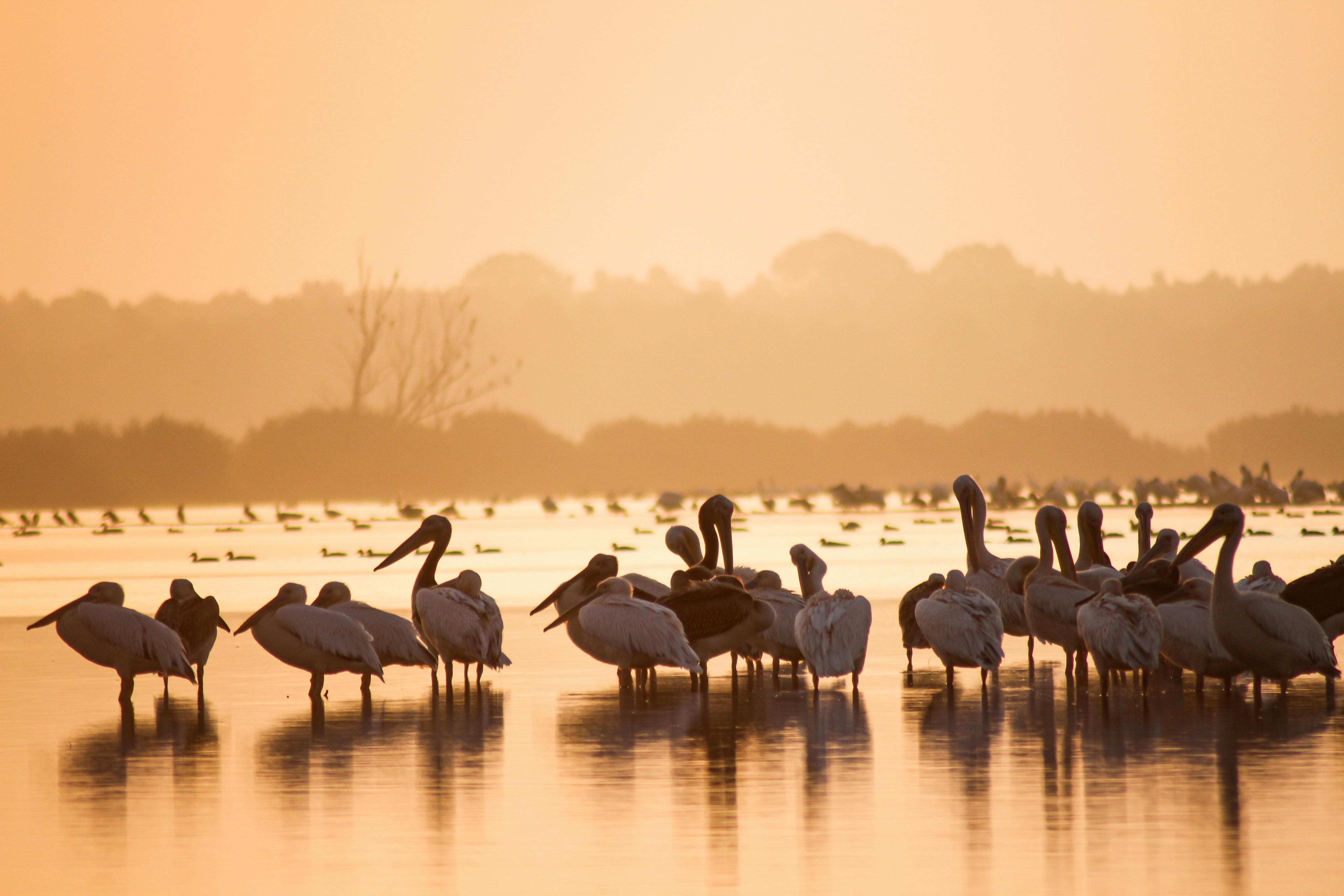
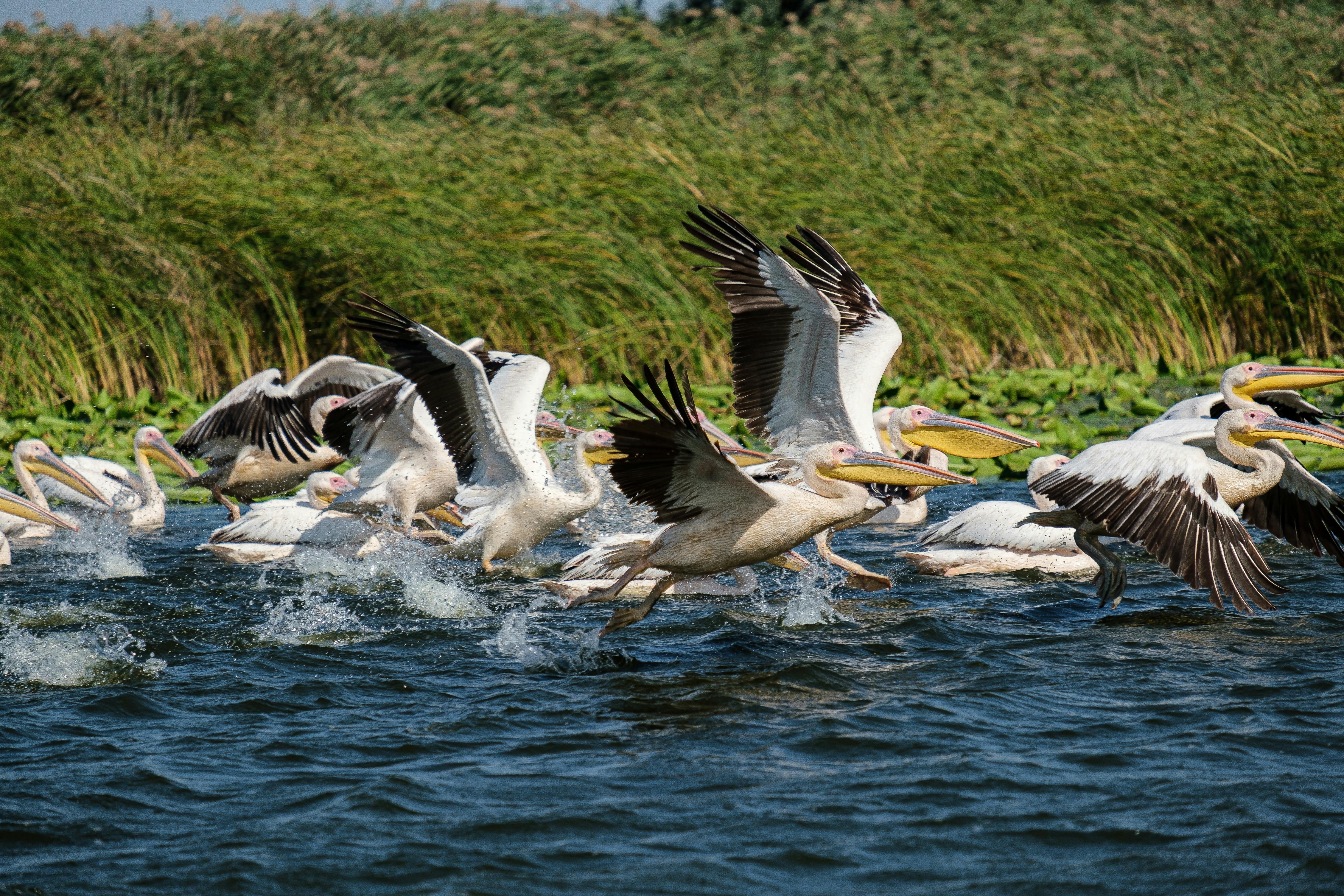
Where the mighty Danube River meets the Black Sea, it creates one of Earth's most spectacular wetlands. The Danube Delta, a UNESCO World Heritage Site and Biosphere Reserve, covers 4,152 square kilometers of channels, lakes, reed beds, and islands. This watery wilderness is home to over 300 species of birds, including Europe's largest pelican colonies, and 160 species of fish. The delta changes constantly as the river deposits 67 million tons of alluvium annually, creating new land and reshaping channels.
Life in the delta follows nature's rhythms. Traditional fishing communities, accessible only by boat, preserve a way of life unchanged for generations. The Lipovan Russians, Ukrainian communities, and Romanians have developed a unique delta culture adapted to this amphibious world. Reed harvesting, fishing, and eco-tourism provide livelihoods while maintaining the delicate ecological balance. Spring and autumn migrations bring millions of birds, making this one of Europe's premier birdwatching destinations.
Tulcea - The gateway to the delta, this port city is where most delta adventures begin. The Museum of the Danube Delta provides excellent orientation, while the waterfront offers boat departures to all corners of the delta. The city's multi-ethnic character reflects the delta's diversity.
Sulina - The easternmost point of Romania, where the Danube finally meets the sea. This former free port has a cosmopolitan cemetery reflecting its international past, beautiful beaches, and an old lighthouse. The town can only be reached by boat, adding to its end-of-the-world atmosphere.
Wildlife Watching - The delta offers extraordinary biodiversity. Morning boat trips reveal herons, egrets, and cormorants, while lucky visitors might spot white-tailed eagles or even golden jackals. The water lily season in June transforms channels into floating gardens. Professional guides know where to find pelican colonies and the best spots for photography.
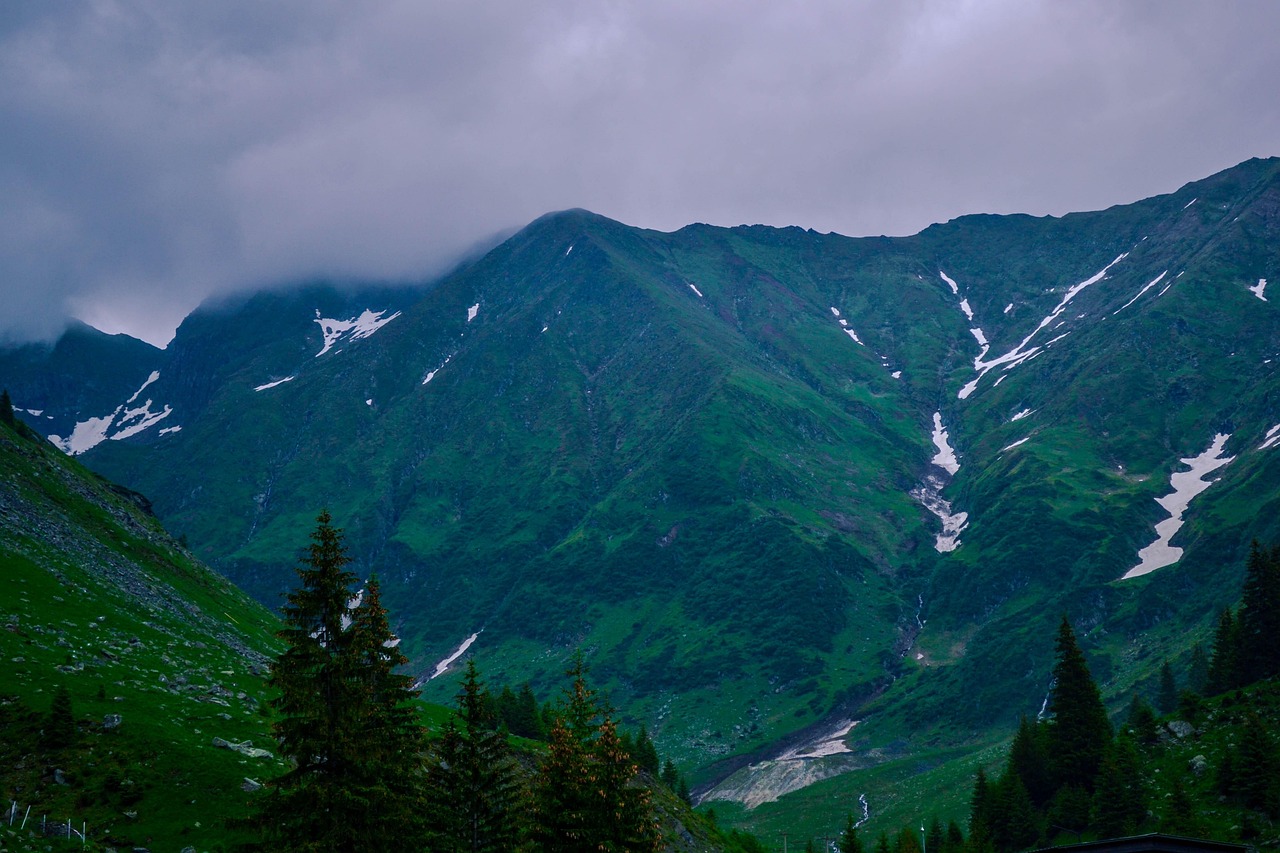
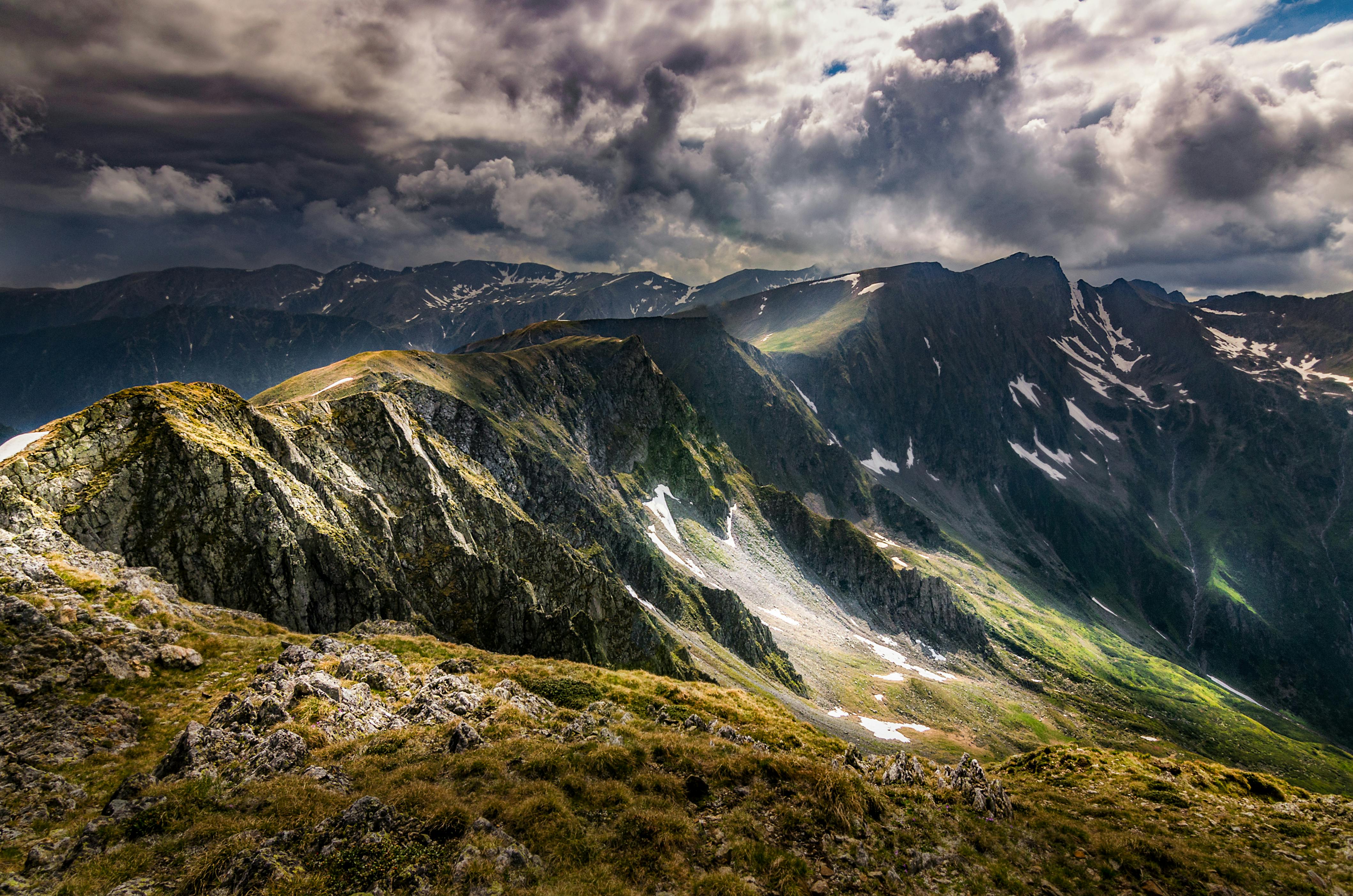
The Carpathian Mountains form a 1,500-kilometer arc through Romania, creating a natural fortress that has shaped the country's history and culture. These ancient mountains, older than the Alps but gentler in profile, offer some of Europe's most pristine wilderness. Virgin forests shelter the continent's largest populations of brown bears (over 6,000), wolves, and lynx. The mountains range from the volcanic peaks of the Eastern Carpathians to the dramatic limestone gorges of the Southern Carpathians and the gentler Western Carpathians.
The Romanian Carpathians provide year-round outdoor adventures. Summer brings hikers to well-marked trails ranging from easy day walks to challenging multi-day treks. Winter transforms the mountains into a skiing paradise with resorts like Poiana Brașov offering modern facilities at fraction of Alpine prices. The famous Transfăgărășan and Transalpina highways, among the world's most spectacular mountain roads, wind through the highest peaks offering breathtaking views and access to remote areas.
Known as the "Transylvanian Alps," the Făgăraș range contains Romania's highest peaks, including Moldoveanu (2,544m) and Negoiu (2,535m). The 70-kilometer ridge offers challenging hiking with alpine lakes, dramatic ridges, and stunning views. The north face presents near-vertical walls popular with climbers, while the southern slopes descend more gently. Mountain huts provide basic accommodation for multi-day treks. The Transfăgărășan Highway crosses at Bâlea Lake, where an ice hotel operates in winter.
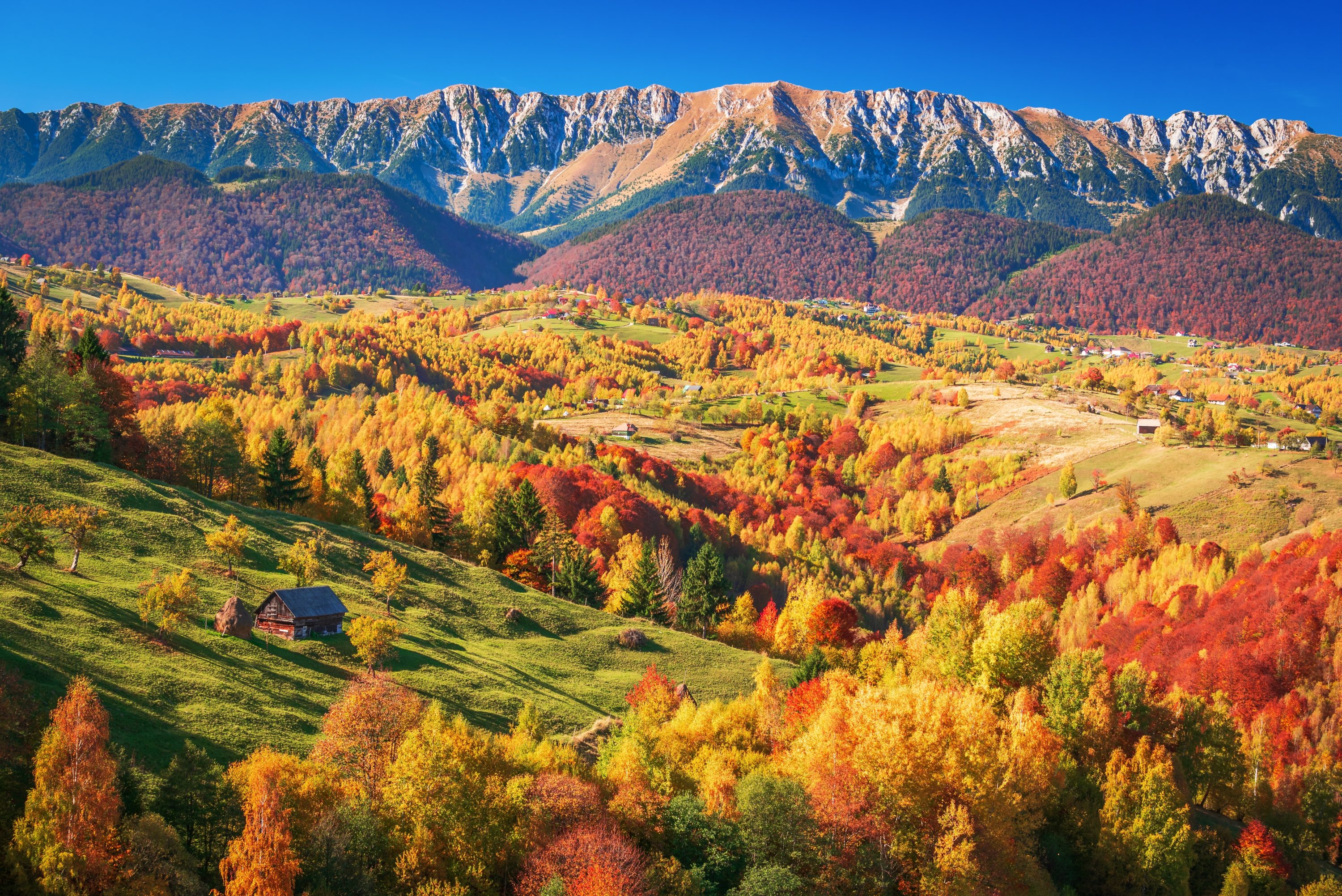
This limestone massif creates one of Romania's most spectacular mountain landscapes. The narrow ridge, stretching 25 kilometers, offers dramatic views and challenging hiking. The park protects large carnivores, endemic plants, and traditional mountain communities. Zărnești Gorge provides easier access to dramatic scenery, while the village of Moeciu offers traditional hospitality. The park's biodiversity includes over 1,000 plant species, many endemic to these limestone peaks.
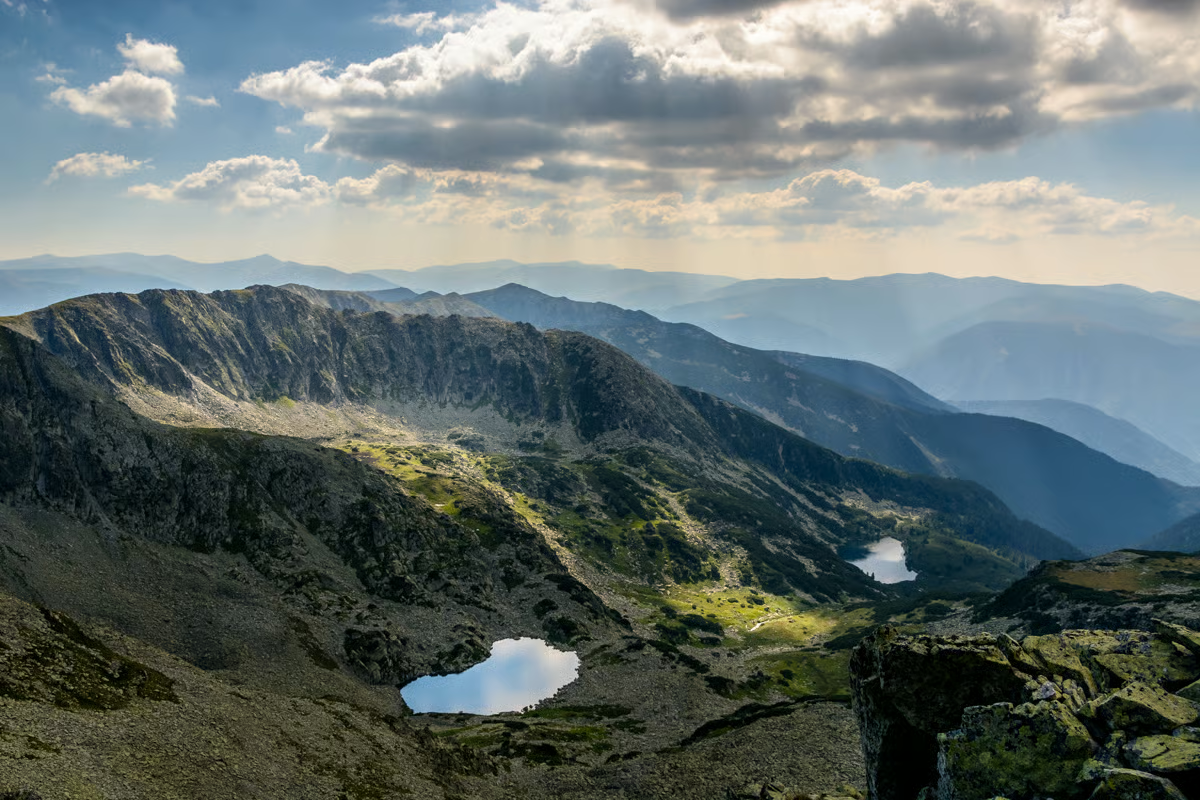
Romania's first national park (1935) protects pristine wilderness with over 80 glacial lakes and 20 peaks above 2,000 meters. The park offers some of the country's best hiking, from family-friendly valley walks to challenging peak ascents. Bucura Lake, Romania's largest glacial lake, sits in a spectacular cirque. The park's remoteness has preserved genuine wilderness where encounters with wildlife are common. Ancient forests and alpine meadows create diverse ecosystems supporting rare species.