From mountain adventures to cultural experiences, discover activities for every traveler
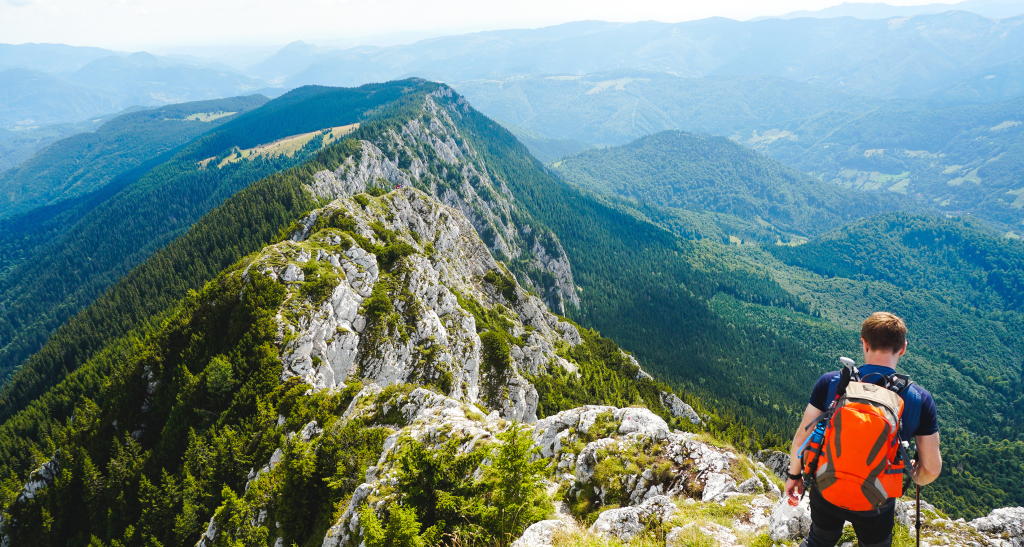
The Carpathian Mountains offer year-round adventure opportunities that rival any European destination. In summer, over 15,000 kilometers of marked trails wind through pristine forests, alpine meadows, and dramatic peaks. The Transylvanian Alps provide challenging multi-day treks, including the famous ridge walk along the Făgăraș Mountains, Romania's highest range. For a unique experience, try the Via Ferrata routes in Bicaz Gorge or Zărnești, where secured climbing routes make vertical adventures accessible to beginners.
Winter transforms the mountains into a skiing paradise with over 40 ski resorts. Poiana Brașov, Romania's premier resort, offers 24 kilometers of slopes suitable for all levels, modern lifts, and prices significantly lower than Western European resorts. Sinaia, the "Pearl of the Carpathians," combines skiing with royal history, while smaller resorts like Păltiniș and Vatra Dornei offer intimate mountain experiences. Cross-country skiing and snowshoeing provide peaceful alternatives for exploring winter landscapes.
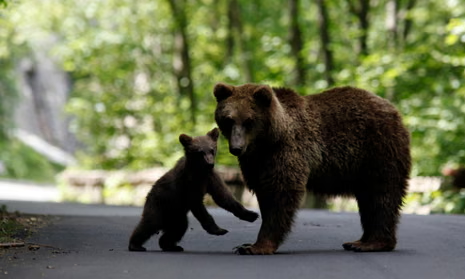
Romania offers Europe's best wildlife watching opportunities. The Carpathians shelter 60% of Europe's brown bear population, along with wolves, lynx, and wild boar. Professional wildlife hides near Brașov and Harghita allow safe bear watching, especially during spring and autumn when bears are most active. Early morning tracking expeditions in Piatra Craiului National Park might reveal chamois, deer, and if you're lucky, wolf tracks in fresh snow.
The Danube Delta is a birdwatcher's paradise with over 300 species. Spring migration (April-May) brings millions of birds, while summer offers pelican colonies and rare species like the pygmy cormorant. Professional guides navigate the maze of channels to reach the best viewing spots. The autumn migration in September-October is equally spectacular, with massive flocks of cranes, geese, and ducks stopping to rest.
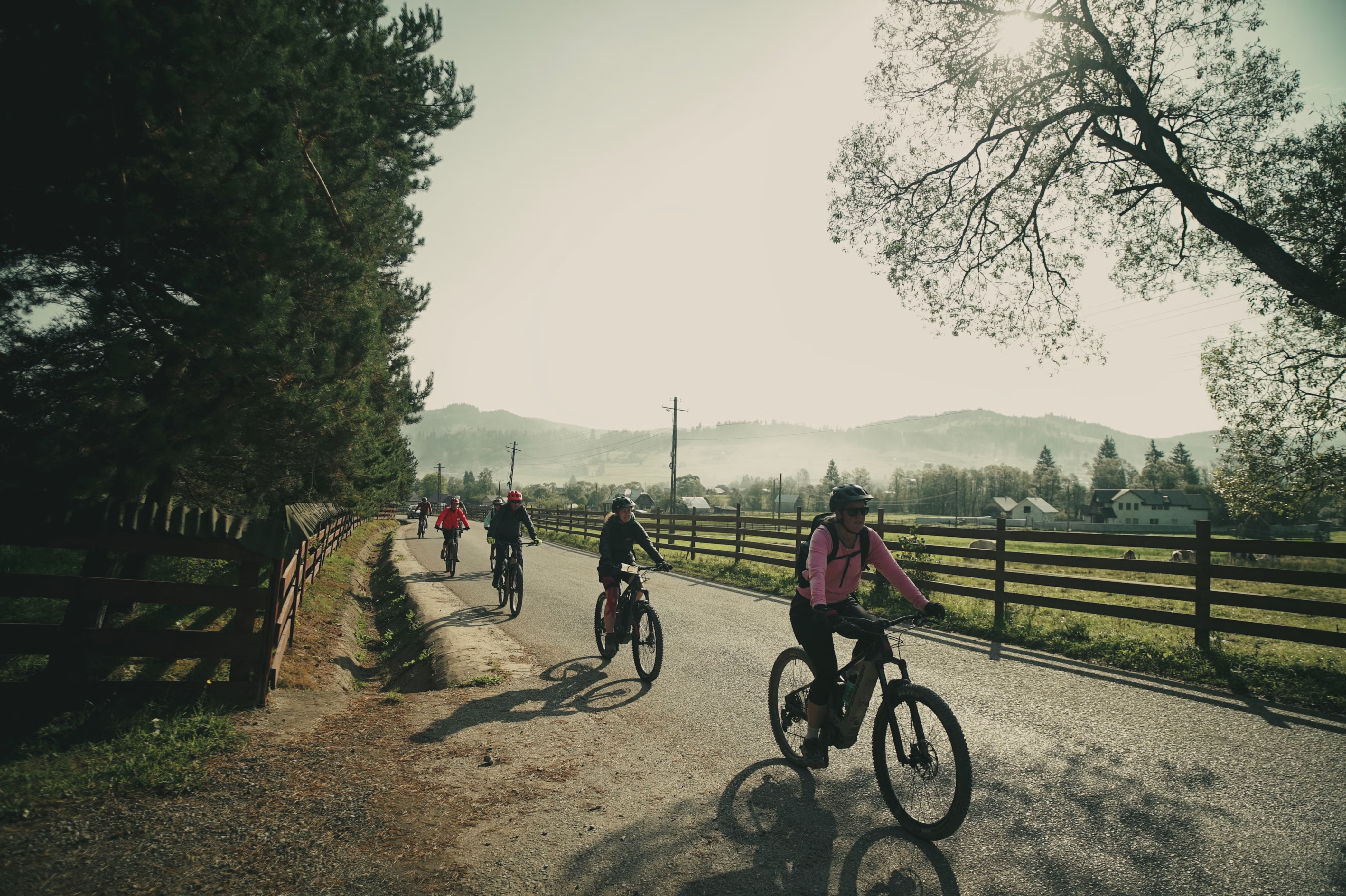
Romania's diverse terrain offers excellent cycling opportunities. The Transfăgărășan and Transalpina highways challenge road cyclists with spectacular mountain passes. Mountain biking trails crisscross the Carpathians, from gentle forest paths to technical singletracks. The Via Transilvanica, a 1,400-kilometer trail crossing the entire country, welcomes cyclists on many sections. Bike rental shops in major tourist centers provide quality equipment and local trail maps.
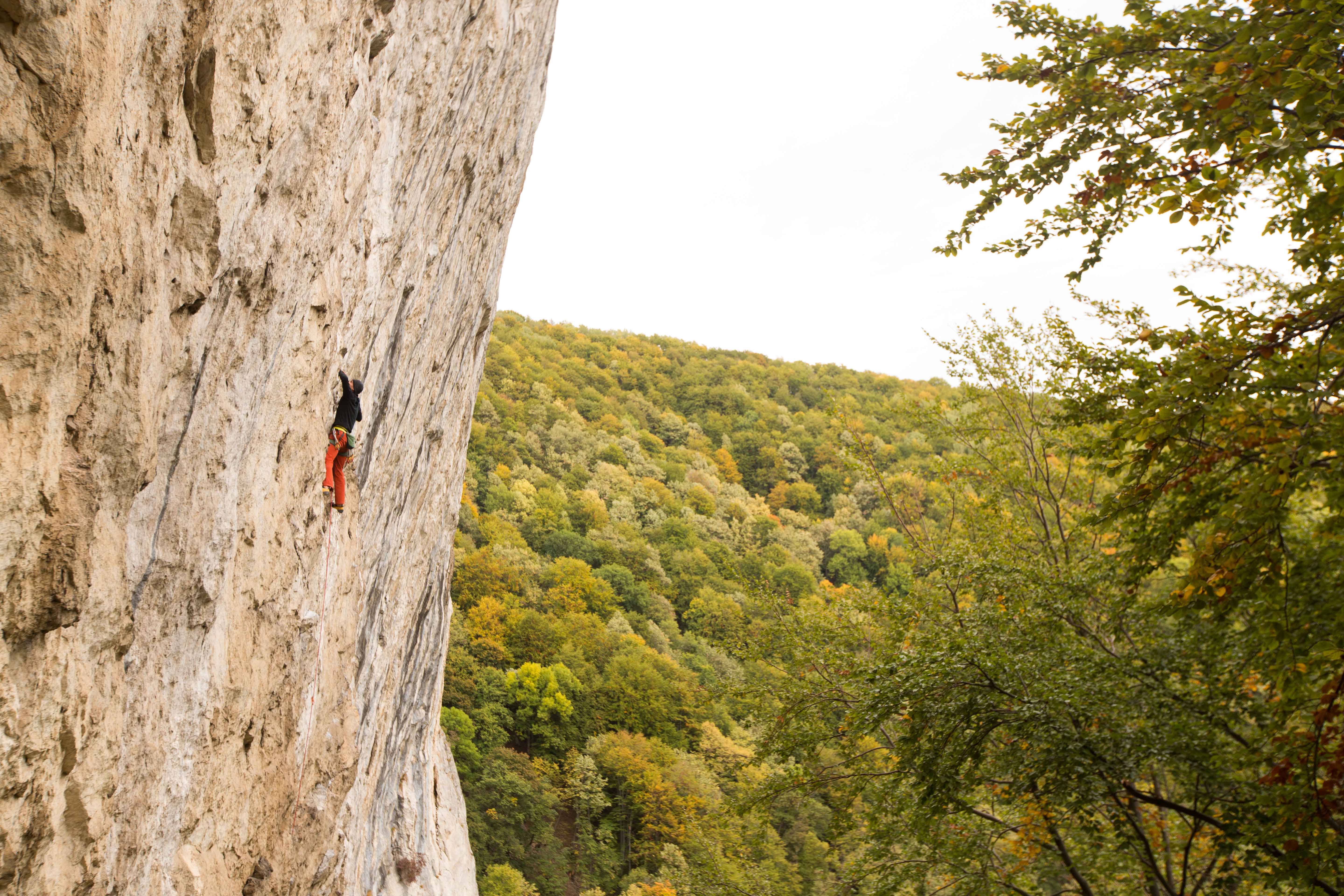
Limestone cliffs in Bicaz and Turda Gorges offer excellent sport climbing with over 400 routes. Traditional climbing in the Piatra Craiului and Bucegi Mountains challenges experienced alpinists. Romania's extensive karst landscape has created over 12,000 caves. Guided tours explore spectacular formations in Bears' Cave and Scarișoara Ice Cave, while adventure caving in Apuseni Mountains provides thrilling underground expeditions.

Rivers flowing from the Carpathians create excellent conditions for rafting and kayaking. The Jiu River offers Class III-IV rapids during spring snowmelt, while the Buzău River provides gentler family-friendly floating. The Black Sea coast offers windsurfing, kitesurfing, and sailing, particularly around Mamaia. Lake Vidraru and Lake Bicaz provide calm waters for stand-up paddleboarding and fishing in spectacular mountain settings.
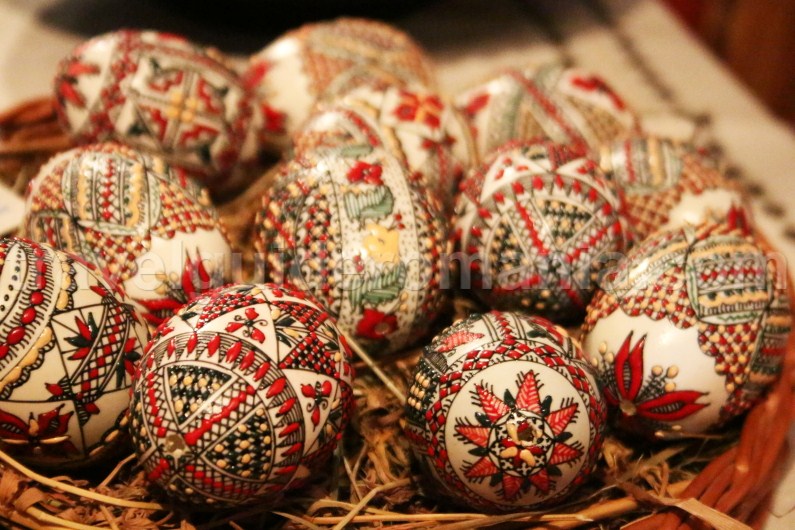
Immerse yourself in Romania's living craft traditions through hands-on workshops. In Horezu, master potters teach the UNESCO-recognized ceramic techniques passed down through generations. Learn to shape clay on traditional wheels and paint the distinctive patterns that make Horezu ceramics unique. The village of Marginea specializes in black pottery, created using a smoking technique dating back to the Dacians. Workshops typically last 2-4 hours and include taking home your creation.
Maramureș offers wood carving workshops where local artisans teach the creation of traditional gates and household items. In Bucovina, join workshops on egg painting, learning the intricate wax-resist technique used to create the famous Romanian Easter eggs. Textile workshops in Transilvania teach traditional weaving on wooden looms, while in Moldova, you can learn to make traditional masks used in winter festivals. These experiences provide not just souvenirs but deep cultural understanding.
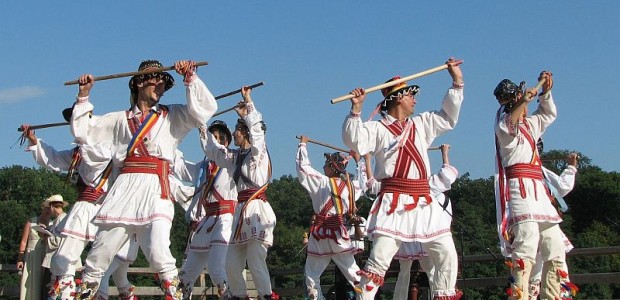
Romania's festival calendar offers year-round cultural immersion. The Hora de la Prislop in August brings together thousands in traditional costume for communal dancing in a mountain meadow. The Medieval Festival in Sighișoara (July) transforms the citadel with knights, craftsmen, and period music. Winter festivals like the Bear Dance in Comănești (December) preserve pre-Christian traditions with spectacular costumes and ritualistic performances.
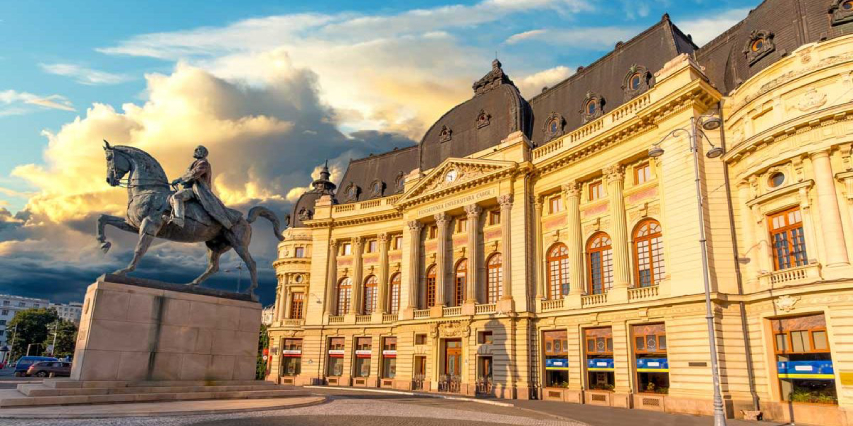
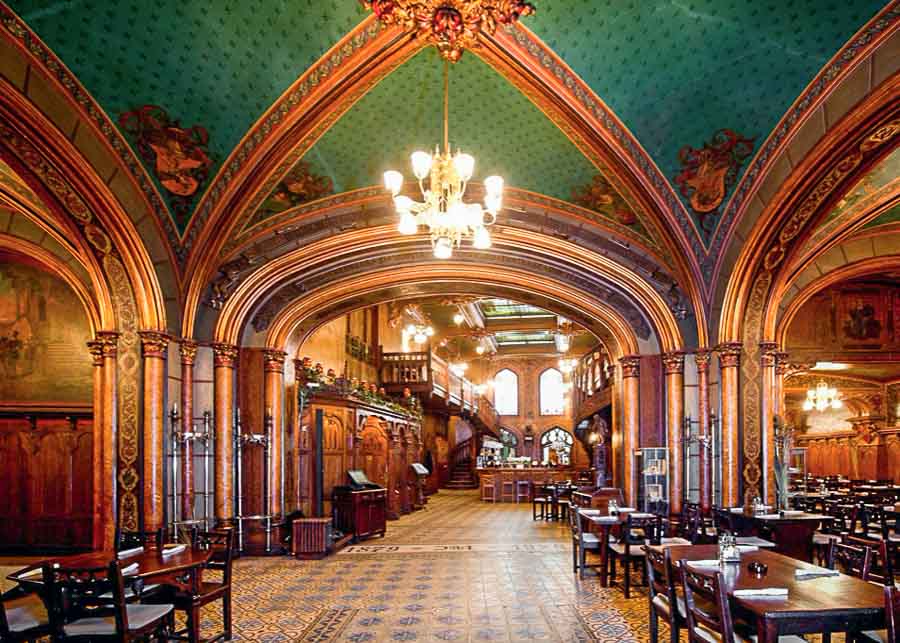
Regular folk performances at restaurants like Caru' cu Bere in Bucharest or Cetatea Poenari in Brașov showcase regional dances and music. The Romanian Athenaeum hosts classical concerts featuring works by George Enescu and other Romanian composers. Village celebrations, particularly weddings and harvest festivals, welcome respectful visitors to experience authentic traditions. Many hotels in rural areas organize folk evenings where guests can learn basic dance steps and try traditional instruments.
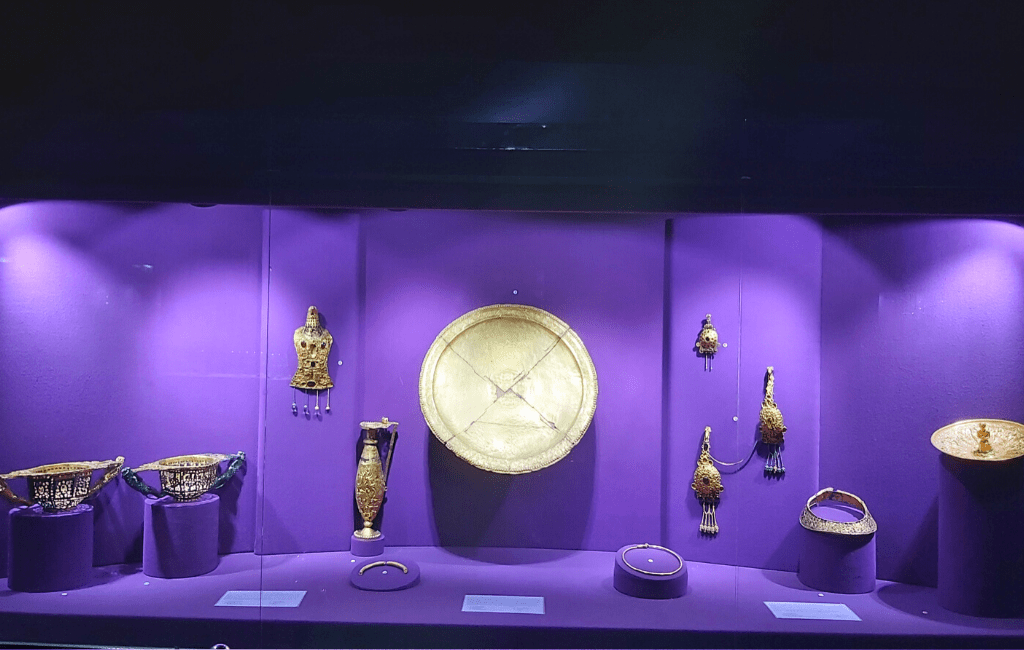
Romania's museums range from world-class institutions to quirky local collections. The National Art Museum in Bucharest houses medieval icons and modern Romanian masters. The ASTRA Museum in Sibiu, Europe's largest open-air museum, displays traditional architecture from all regions. Unique museums include the Merry Cemetery in Săpânța, the Gold Museum in Brad showcasing Europe's largest gold nugget, and the Clock Museum in Ploiești with 8,000 timepieces.
Romania's architectural diversity tells its complex history. Guided tours explore Bucharest's eclectic mix from Belle Époque mansions to Communist monumentalism. Medieval tours in Transylvanian cities reveal Saxon, Hungarian, and Romanian influences. Specialists lead Art Nouveau tours in Oradea, modernist architecture walks in Bucharest, and wooden church routes in Maramureș. The painted monasteries of Bucovina offer unique artistic architecture tours.
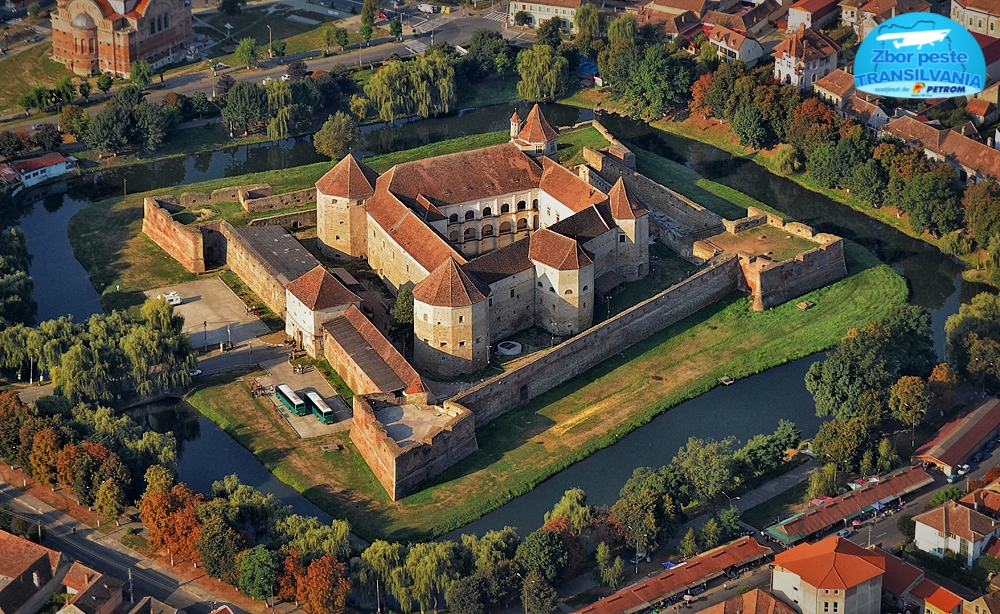
Step back in time at Romania's living history sites. Sarmizegetusa Regia, the ancient Dacian capital, offers guided tours explaining pre-Roman civilization. Medieval festivals at Bran, Corvin, and Făgăraș castles feature period demonstrations. The Memorial of Victims of Communism in Sighetu Marmației provides powerful insights into recent history. Traditional villages like Viscri and Rimetea preserve architectural and cultural heritage as living communities.
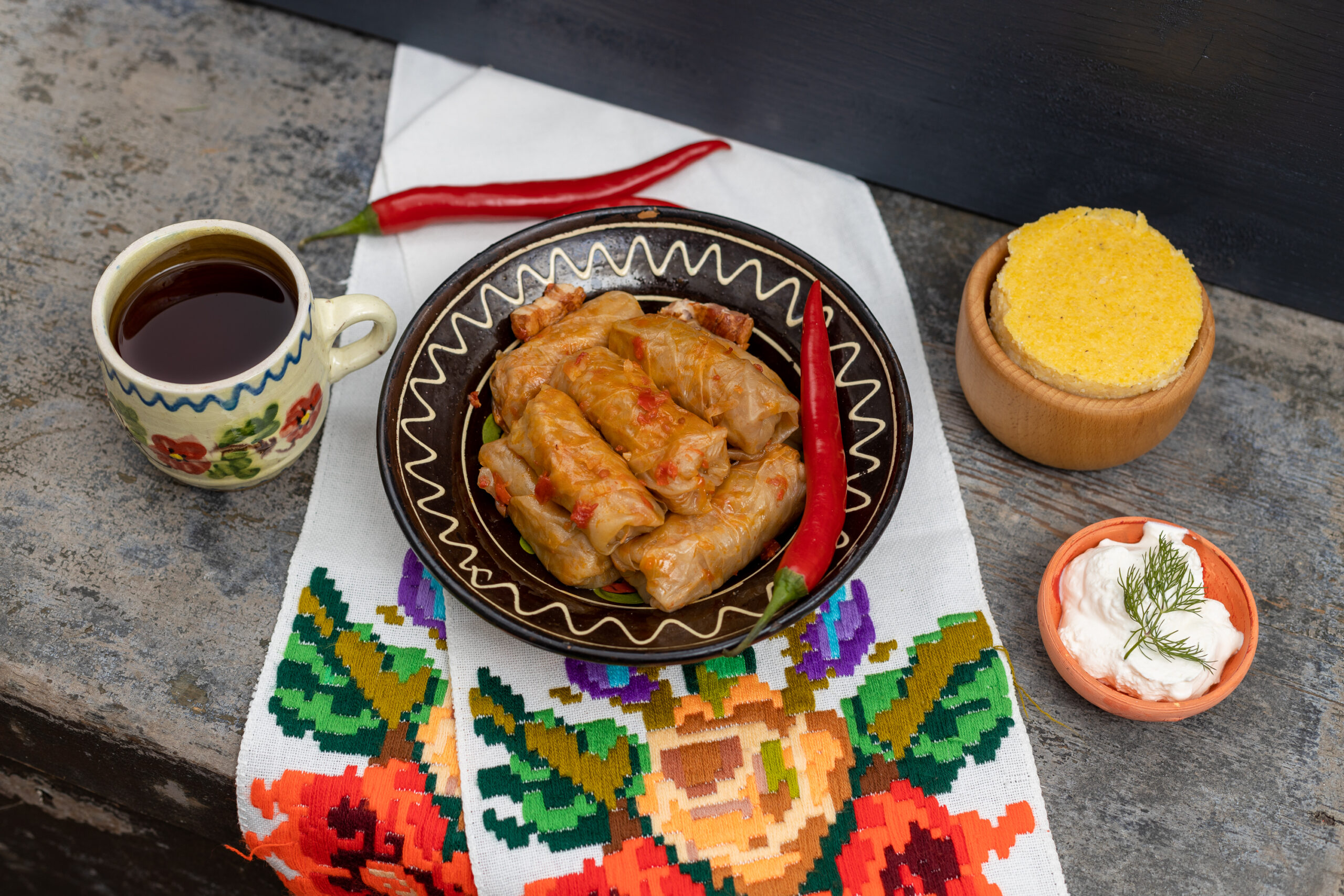
Romanian cuisine reflects centuries of cultural exchange and regional diversity. Join food tours in Bucharest exploring traditional markets, communist-era food halls, and modern restaurants. Learn the stories behind dishes while sampling mici (grilled meat rolls), covrigi (pretzels), and traditional cheeses. Market tours at Obor or Central Market include ingredient selection for afternoon cooking classes where you'll prepare sarmale (cabbage rolls), mămăligă (polenta), and papanași (fried doughnuts with sour cream and jam).
Regional food experiences offer deeper cultural immersion. In Maramureș, join locals making traditional plum brandy (horincă) using methods unchanged for centuries. Transylvanian cooking classes feature Hungarian-influenced dishes like goulash and kürtőskalács. The Danube Delta offers unique fish-based cuisine, with local fishermen teaching traditional preparation methods. Farm stays throughout the country provide authentic experiences, from cheese-making to bread baking in outdoor ovens.
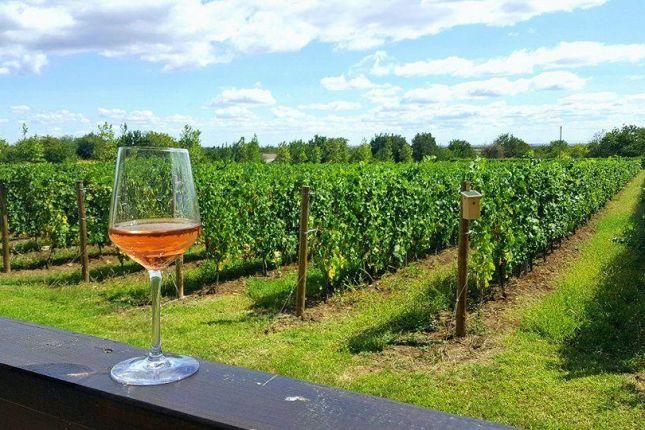
Romania's 6,000-year wine tradition offers diverse tasting experiences across seven major regions. The Dealu Mare region, just north of Bucharest, produces excellent reds in wineries combining centuries-old cellars with modern technology. Tours at Serve, Budureasca, or Lacerta wineries include vineyard walks, production explanations, and guided tastings paired with local foods. The royal cellars at Azuga, established in 1892, produce sparkling wines using traditional methods.
Moldova's Cotnari region, famous since medieval times, specializes in sweet white wines. The volcanic soils of Târnave produce aromatic whites, while Miniș-Măderat near Arad creates full-bodied reds. Many wineries offer harvest experiences in September-October, where visitors can pick grapes and participate in traditional crushing. Wine roads connect family estates offering intimate tastings in historic cellars, often accompanied by the owner's stories and home-cooked meals.
Romania's dining scene ranges from traditional taverns to Michelin-recommended restaurants. Caru' cu Bere in Bucharest offers Belle Époque ambiance with live folk performances. Mountain restaurants like Coliba Haiducilor serve game dishes in rustic settings. Modern Romanian cuisine at restaurants like The Artist in Bucharest or Bistro de l'Arte in Cluj reinterprets traditional flavors. Street food tours explore mici, langosi, and kürtőskalács from local vendors.
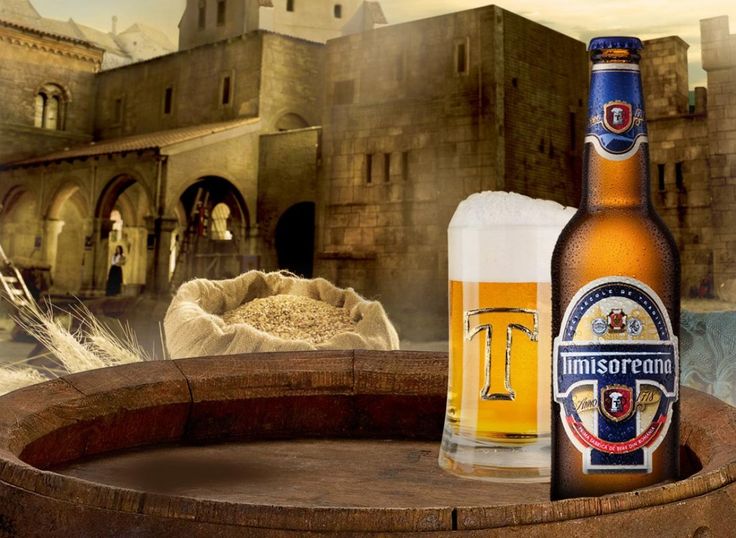
Romania's craft beer revolution has produced excellent microbreweries. Zaganu in Brașov, Sikaru in Mediaș, and Ground Zero in Bucharest offer tasting rooms and brewery tours. Traditional plum brandy (țuică/pălincă) distilleries throughout the country demonstrate production methods and offer tastings. The Țuică Route in Zalău region connects family distilleries, while commercial producers like Alexandrion offer sophisticated spirits experiences.
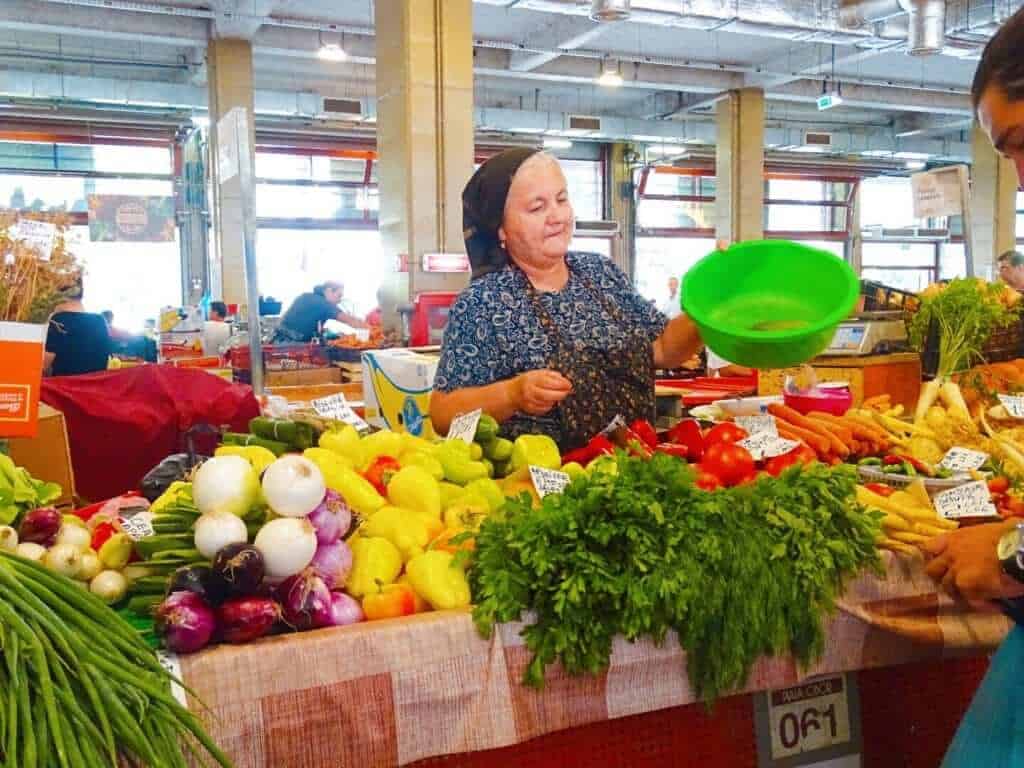
Traditional markets offer authentic local experiences. Amzei Market in Bucharest specializes in organic produce, while rural markets showcase seasonal specialties. Food festivals celebrate regional cuisine: the Sarmale Festival in Praid, Plum Festival in Medieșu Aurit, and Wine Festival in Valea Călugărească. Christmas markets in Sibiu, Brașov, and Bucharest combine traditional foods with festive atmosphere.