Discover the rich history, diverse geography, and vibrant culture of Romania
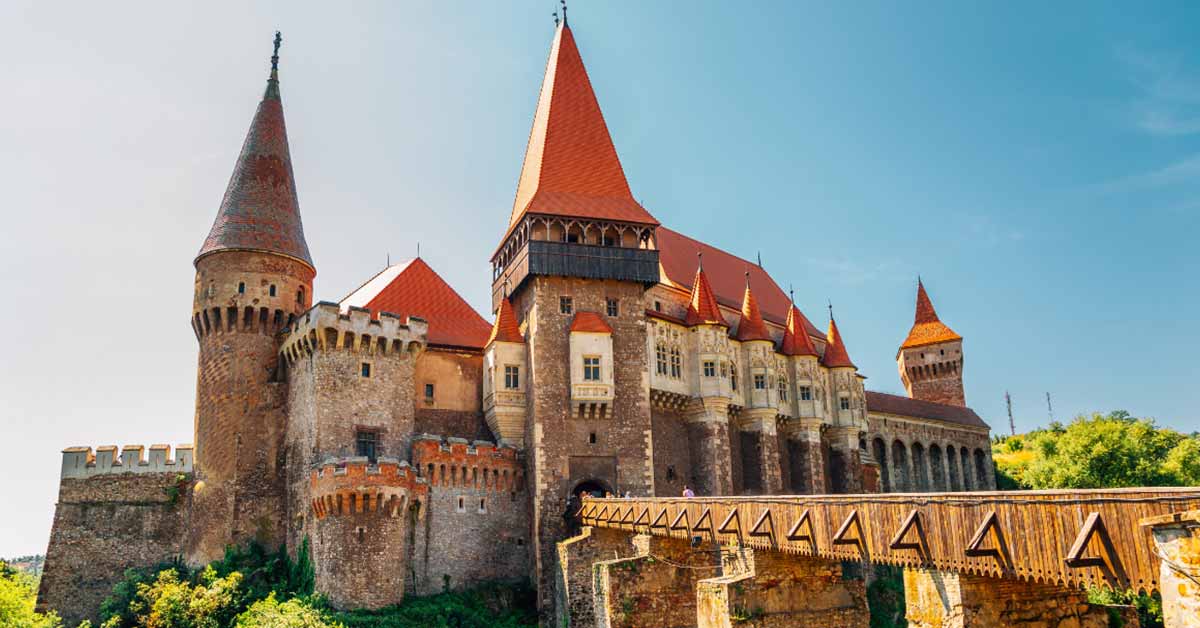
Romania's history begins with the ancient Dacians, a Thracian people who inhabited the territory from around 1000 BC. The Dacian Kingdom reached its peak under King Burebista (82-44 BC) and later Decebalus (87-106 AD). The Romans, led by Emperor Trajan, conquered Dacia in 106 AD after two fierce wars, transforming it into a Roman province. This 165-year Roman rule left an indelible mark on Romanian culture, language, and identity. The Romanian language remains the only Romance language in Eastern Europe, a direct descendant of the Latin spoken by Roman colonists and legionaries.
The withdrawal of Roman legions in 271 AD marked the beginning of the Migration Period. Waves of migrating peoples - Goths, Huns, Slavs, Bulgars, and others - swept through the territory. Despite these invasions, the Romanized population maintained their Latin heritage and gradually evolved into the Romanian people. Archaeological evidence from sites like Sarmizegetusa Regia, the former Dacian capital, reveals sophisticated urban planning and impressive stone fortifications that rival any ancient European civilization.
During the Middle Ages, three Romanian principalities emerged: Wallachia (1330), Moldavia (1359), and Transylvania. Wallachia and Moldavia fought to maintain independence against the expanding Ottoman Empire, while Transylvania became part of the Hungarian Kingdom and later the Habsburg Empire. Legendary rulers like Vlad the Impaler (1431-1476) of Wallachia, who inspired the Dracula legend, and Stephen the Great (1457-1504) of Moldavia, who won 46 of his 48 battles, became symbols of resistance against foreign domination.
The first union of the Romanian principalities came under Michael the Brave in 1600, though it lasted only one year. This brief unification planted the seeds of Romanian national consciousness. The 19th century brought the permanent union of Wallachia and Moldavia in 1859 under Alexandru Ioan Cuza, forming the basis of modern Romania. Independence from the Ottoman Empire was declared in 1877 and recognized internationally in 1878 following the Russo-Turkish War.
The Kingdom of Romania was proclaimed in 1881 under Carol I of the Hohenzollern dynasty. This period saw rapid modernization, with the construction of railways, the development of the oil industry, and the flourishing of arts and culture. Romania's "Belle Époque" produced magnificent architecture in Bucharest, earning it the nickname "Little Paris." After World War I, Romania achieved its greatest territorial extent, uniting with Transylvania, Bessarabia, and Bukovina in 1918, creating "Greater Romania."
The interwar period under King Ferdinand and later Carol II saw continued modernization but also political instability. World War II brought territorial losses and political upheaval. The communist regime (1947-1989) under leaders like Gheorghe Gheorghiu-Dej and Nicolae Ceaușescu brought industrialization but also oppression and economic hardship. The 1989 Revolution ended communist rule, and Romania has since transformed into a democratic nation, joining NATO in 2004 and the European Union in 2007.
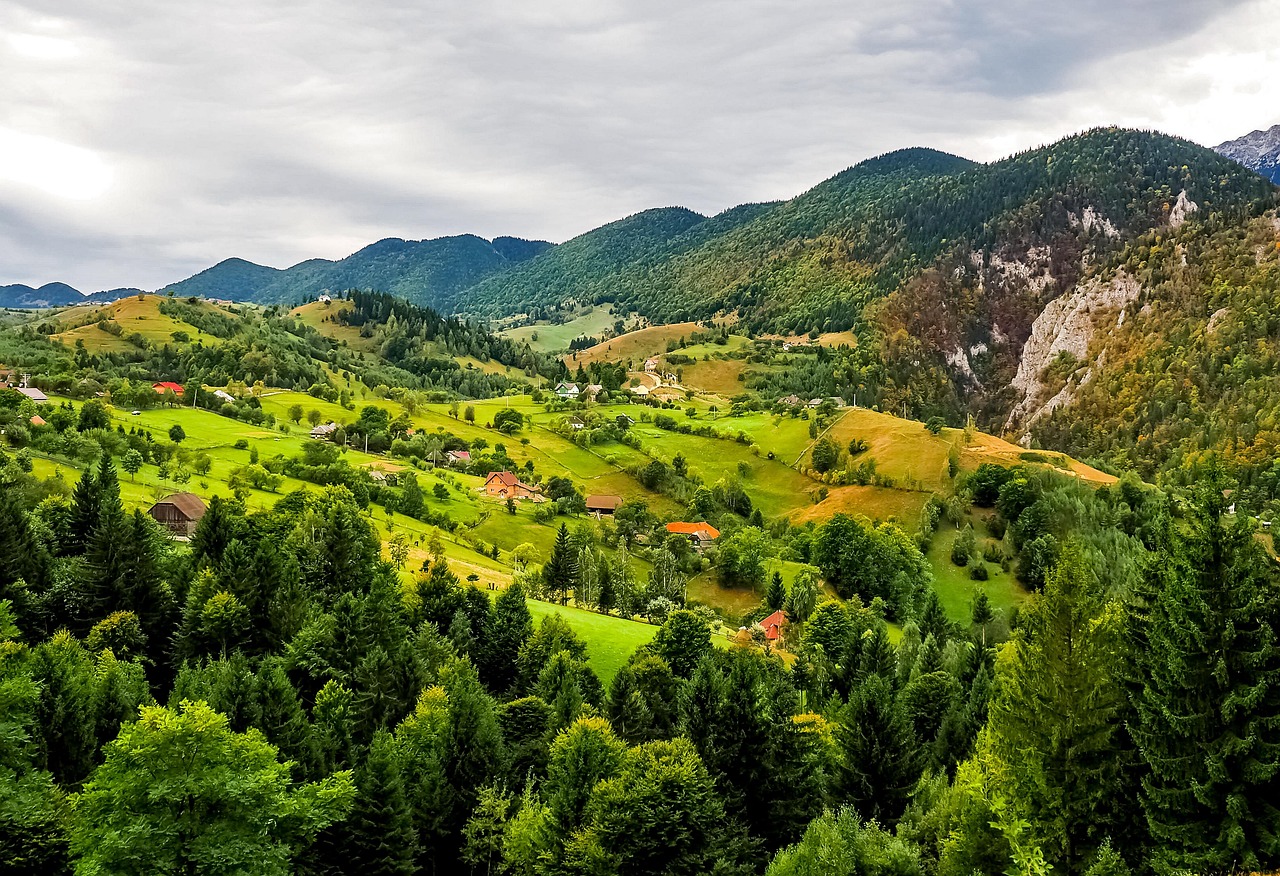
The Carpathian Mountains form a 1,500-kilometer arc through Romania, covering almost half the country's territory. These ancient mountains are divided into three main ranges: the Eastern Carpathians, Southern Carpathians (also known as the Transylvanian Alps), and Western Carpathians. The highest peak is Moldoveanu at 2,544 meters. The Carpathians are home to Europe's largest populations of brown bears, wolves, and lynx, with virgin forests that have remained untouched for centuries.
The mountains offer spectacular landscapes, from the dramatic ridges of the Făgăraș Mountains to the volcanic peaks of the Călimani Mountains. The famous Transfăgărășan Highway, built in the 1970s, winds through the Southern Carpathians and is considered one of the most spectacular roads in the world. These mountains are not just natural wonders but also cultural treasures, dotted with traditional shepherding communities that maintain centuries-old customs and crafts.
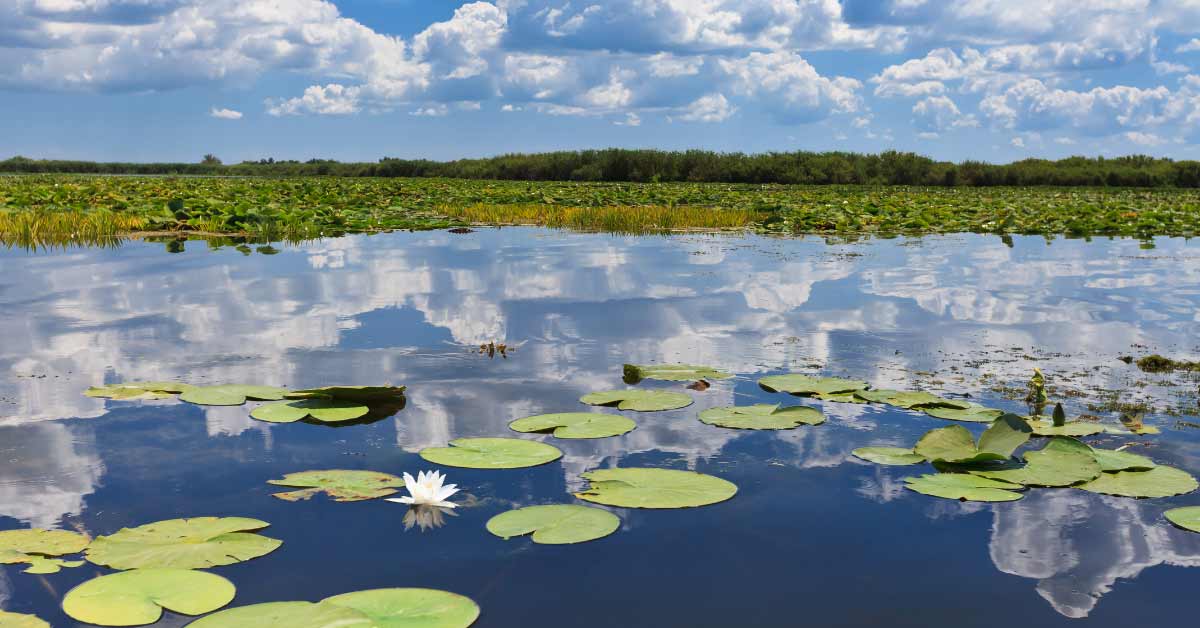
Where the mighty Danube River meets the Black Sea lies one of Europe's last great wildernesses - the Danube Delta. Covering 4,152 square kilometers, it's the second-largest river delta in Europe and a UNESCO World Heritage Site. This vast wetland is a paradise for nature lovers, home to over 300 species of birds, including Europe's largest colonies of pelicans, and 160 species of fish. The delta's maze of channels, lakes, reed beds, and islands creates a unique ecosystem that changes with the seasons.
The delta is also home to traditional fishing communities, particularly the Lipovans, Russian Old Believers who fled religious persecution centuries ago. Their colorful villages, accessible only by boat, offer a glimpse into a way of life that has changed little over generations. The region produces 70% of Romania's fish catch and is famous for its caviar from wild sturgeon, though conservation efforts now protect these ancient fish.
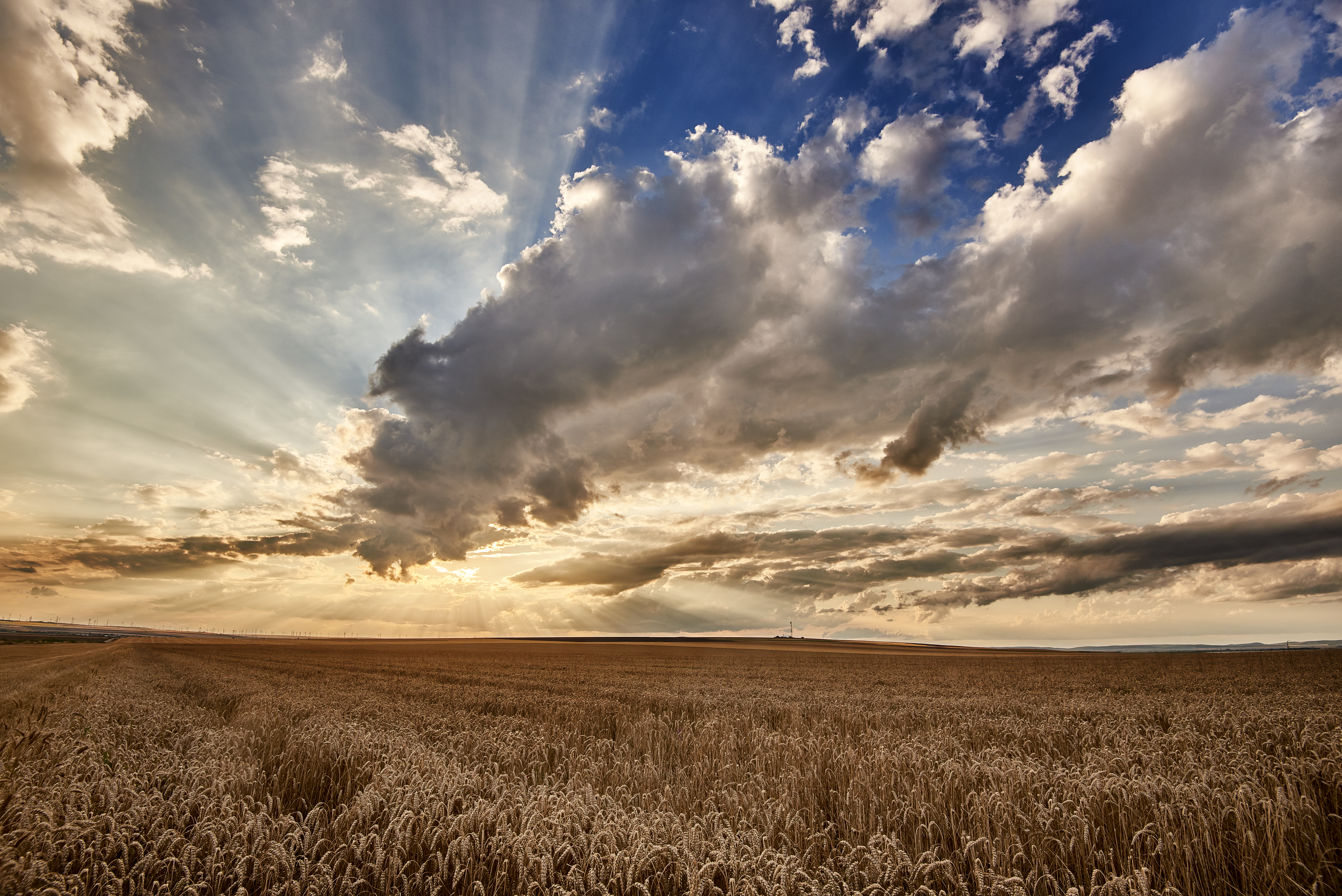
The Romanian Plain (Câmpia Română) in the south and the Western Plain in the west are Romania's breadbaskets, producing wheat, corn, and sunflowers. These fertile lowlands, formed by ancient seas and shaped by rivers, contrast dramatically with the mountainous regions. The Transylvanian Plateau, surrounded by the Carpathian Mountains, is a land of rolling hills, forests, and historic cities. This geographic diversity gives Romania one of the most varied landscapes in Europe.
The Black Sea coast stretches for 245 kilometers, offering sandy beaches, ancient Greek ruins, and modern resorts. The port city of Constanța, founded by Greeks in 600 BC, is one of the oldest continuously inhabited cities in Europe. The coastal region includes the unique Dobrogea plateau, characterized by its steppe landscape and archaeological treasures from various civilizations that have passed through this strategic crossroads.
Romanian folk culture is remarkably well-preserved, with traditions passed down through generations. Traditional crafts include intricate wood carving, seen in the famous wooden gates of Maramureș and the decorated houses of Bucovina. Pottery from Horezu, recognized by UNESCO as Intangible Cultural Heritage, features unique patterns and techniques dating back centuries. Women in rural areas still practice traditional weaving, creating colorful carpets and elaborate folk costumes worn during festivals and celebrations.
The Romanian blouse, or "ie," has gained international recognition for its intricate embroidery, with each region having distinct patterns that tell stories and indicate the wearer's origin. Traditional masks and costumes used in winter festivals like the Bear Dance and Goat Dance have pre-Christian origins, blending pagan rituals with Christian celebrations. These living traditions aren't museum pieces but part of daily life in many Romanian villages.
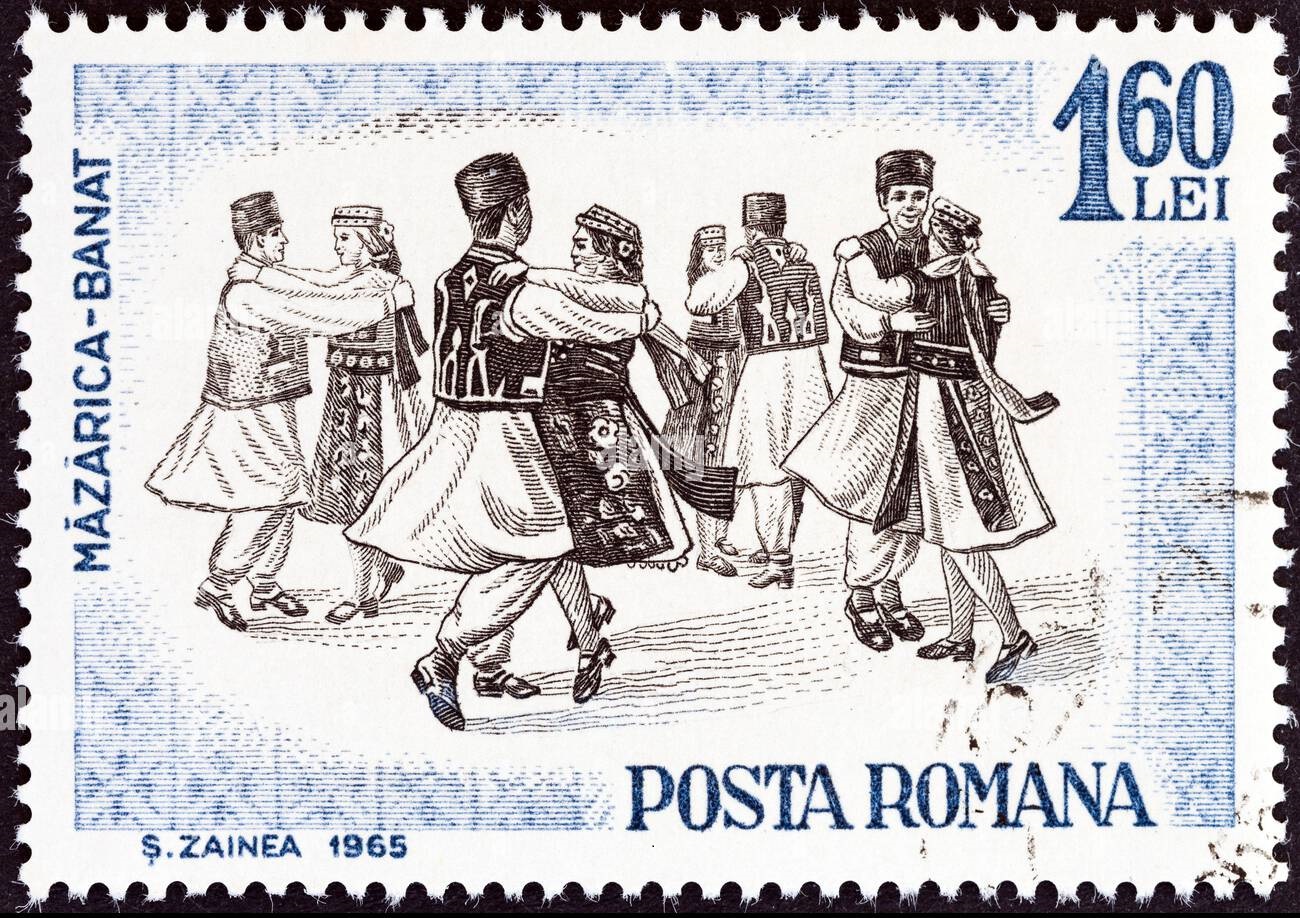
Romanian music ranges from haunting doinas (lyrical songs expressing longing and love) to energetic hora circle dances that bring entire villages together. The pan flute (nai) and the cimbalom (țambal) create distinctive sounds that define Romanian folk music. Each region has its own musical traditions: the violin music of Transylvania, influenced by Hungarian and Germanic cultures; the brass bands of Moldavia; and the lăutari musicians of Wallachia who historically entertained at noble courts.
Modern Romania has produced world-renowned classical musicians like George Enescu, whose Romanian Rhapsodies capture the spirit of folk music in orchestral form. The country's music scene continues to evolve, with traditional elements influencing contemporary artists. Folk festivals throughout the year showcase this musical heritage, with events like the Hora de la Prislop bringing together thousands of participants in traditional costume for communal dancing and celebration.
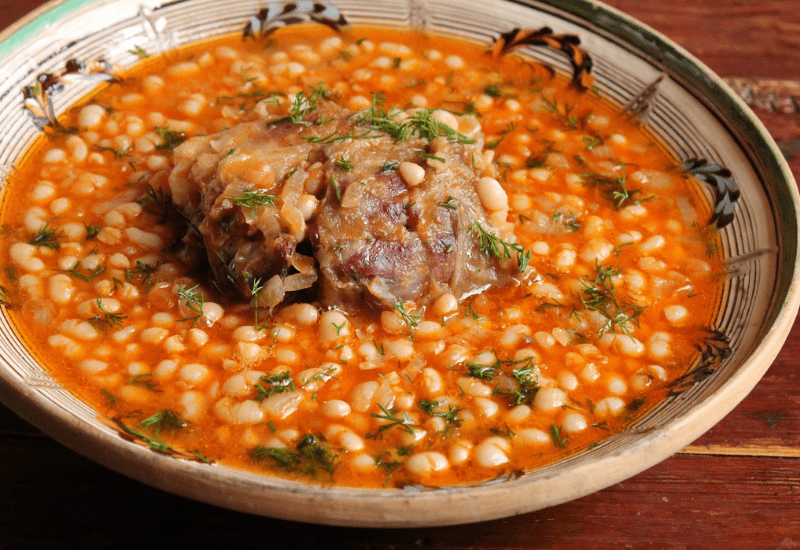
Romanian cuisine reflects the country's position at the crossroads of Central, Eastern, and Southeastern Europe. Hearty dishes like sarmale (cabbage rolls filled with spiced meat and rice), mici (grilled meat rolls), and mămăligă (polenta) showcase Ottoman, Hungarian, German, and Slavic influences. Each region has specialties: Transylvania's goulash and kürtőskalács (chimney cakes), Moldavia's tokány stews, and Dobrogea's Turkish-influenced desserts like baklava.
Romanian hospitality is legendary, with guests traditionally welcomed with bread and salt. The country's wine tradition dates back 6,000 years, with regions like Dealu Mare and Cotnari producing award-winning wines. Țuică and pălincă, traditional plum and fruit brandies, are offered as a welcome drink and digestif. Sunday family meals remain sacred, often featuring ciorbă (sour soup), a main course of grilled meats or stews, and desserts like papanași (fried doughnuts with sour cream and jam) or cozonac (sweet bread with walnuts or poppy seeds).
Romanian is the official language, a Romance language descended from Latin. It's the only Romance language in Eastern Europe, closely related to Italian, Spanish, French, and Portuguese. About 90% of the population speaks Romanian as their first language. Minority languages include Hungarian (6.7%), Romani (1.2%), Ukrainian, German, Turkish, and Serbian.
The Romanian Leu (RON), plural Lei, is the national currency. One Leu is divided into 100 bani. Credit cards are widely accepted in cities and tourist areas, but cash is still preferred in rural areas and small establishments. ATMs are readily available throughout the country. Exchange offices (casa de schimb) offer competitive rates.
Romania has a temperate-continental climate with four distinct seasons. Summers (June-August) are warm to hot, with temperatures reaching 30-35°C. Winters (December-February) are cold, especially in the mountains where temperatures can drop to -20°C. Spring and autumn offer mild weather ideal for sightseeing. The Black Sea coast has a more moderate climate.
Romania has approximately 19 million inhabitants, making it the 7th most populous EU member state. Bucharest, the capital, has about 2 million residents. Major cities include Cluj-Napoca, Timișoara, Iași, Constanța, and Brașov. The population is 89% ethnic Romanian, with Hungarian, Roma, German, Ukrainian, and other minorities contributing to the country's cultural diversity.
With 238,397 square kilometers, Romania is the 12th largest country in Europe and the 6th most populous member state of the EU. It's roughly the size of the United Kingdom or the state of Oregon. The country shares borders with Hungary, Serbia, Bulgaria, Moldova, and Ukraine, with 225 km of Black Sea coastline to the east.
Romania is a semi-presidential republic with a democratic, multi-party system. The President is head of state, elected for five-year terms, while the Prime Minister leads the government. The bicameral Parliament consists of the Senate and Chamber of Deputies. Romania has been a member of NATO since 2004 and the European Union since 2007.